Keep supplied truck duty distinct from the treatment outcome
Confirm the deposit evidence, selected treating fluid and approved circulation assignment before choosing the heater, pump and connection package. The truck supplies its accepted heating and circulation functions; a product name or reference temperature does not establish removal of every blockage. Wax appearance temperature is fluid information, not a universal controller setting or proof of deposit dissolution.
Identify the actual onboard storage, indications and controls, external well or flowline equipment and return destination in the accepted offer. Collection and filtration do not automatically establish suitability for reuse. Keep well-program, material compatibility and site operating responsibilities with the competent project team. Do not assume universal scale, asphaltene or hydrate treatment, fixed cleaning time, restored production or unattended operation from a generic hot-oil truck description.
Begin with the real operating basis
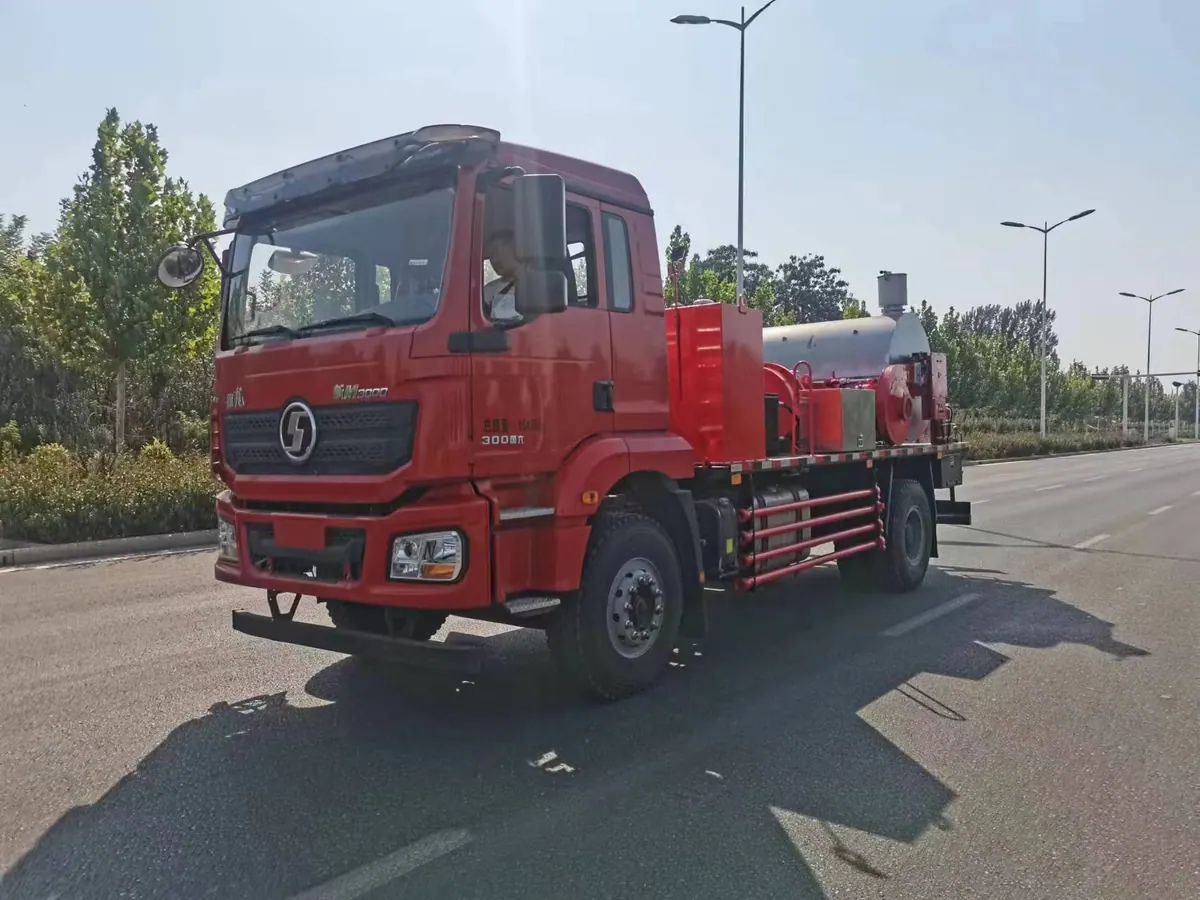
A useful Well Flushing Truck plan starts with the work the unit must perform: supplying heating and circulation for an accepted well-flushing or paraffin-related thermal assignment. Record normal, minimum, maximum and transient cases instead of relying on one headline capacity. The review should identify deposit evidence, treating-fluid information, useful heating duty, paired pump cases and external interfaces together with the source and confidence level for each value.
Trace those inputs through the triplex plunger pump, specified heater and fluid-storage arrangement, specified fluid-handling interfaces and accepted discharge connection package. This system view helps the project team see where a site condition, fluid property or operating limit affects more than one component. It also creates a defensible basis for supplier clarification, field setup and later change control.
Describe every fluid the equipment can encounter
Provide composition, concentration, density, viscosity, solids, particle size, gas content, water chemistry, pH, chlorides, hydrogen sulfide or other hazardous constituents, and expected contamination. State normal and cleaning fluids as well as upset fluids. Temperature, pressure and exposure time must accompany the chemistry because material performance depends on the complete service condition.
| Review point | Project question | Required record |
|---|---|---|
| triplex plunger pump | Simultaneous heated pressure-flow duty | Fluid-specific selection response |
| specified heater and fluid-storage arrangement | Accepted treating liquid, useful thermal duty and tank roles | Identified heater and storage response |
| specified fluid-handling interfaces | Actual supply and return responsibilities; no default reuse | Accepted fluid boundary schedule |
| accepted discharge connection package | Limits at the accepted fluid and temperature | Assembly and external interface evidence |
Check elastomers, seals and small wetted parts
Major vessel or piping materials often receive attention while O-rings, valve seats, diaphragms, hose liners, pump packing, coatings and instrument isolators are overlooked. Ask the supplier to identify these items by material rather than by trade name alone. Review swelling, hardening, permeation, temperature cycling, decompression and abrasive wear where relevant.
For a Well Flushing Truck used in reviewed heated well circulation, compatibility may differ from paraffin-related treatment or accepted surface thermal circulation because the fluid, temperature, solids and cleaning sequence change. Approve each service case and define whether flushing, neutralization, drying or seal replacement is required before changing duties.
Turn compatibility claims into controlled evidence
Record the approved fluid envelope, material list, supplier limitations, inspection points and replacement criteria. When laboratory testing is needed, reproduce the realistic concentration, temperature, pressure and exposure duration. A short ambient soak does not demonstrate suitability for hot, pressurized or cyclic field service. Keep the decision with the equipment file so later substitutions can be reviewed against the same basis.
Keep records that support the next decision
Keep the approved duty sheet, site survey, interface drawing, procedures, inspection results, test records, deviations and signed handover information in one controlled equipment file. Record the installed component models and document revisions so operators and maintenance personnel can confirm that their instructions match the field configuration.
After the job, compare planned and actual values for deposit evidence, treating-fluid information, useful heating duty, paired pump cases and external interfaces. Record abnormal events, adjustments, consumable use and any condition that affected setup or performance. Use the findings to improve the next job plan without silently expanding the approved operating envelope.
Apply project and jurisdictional requirements
Use this planning guide with the owner's procedures, local law and applicable project standards. Review relevant requirements through OSHA oil and gas extraction safety guidance. The project-specific engineering and safety basis governs the final configuration and work method.