Provide properties at the actual incoming condition
Give the supplier relevant fluid identity, temperature and viscosity information for the source reaching the truck. Ask the responsible fluid specialist which additional properties or variability need consideration. A viscosity value taken at the desired outlet temperature may not describe the pump inlet. Keep the data source, sampling context and uncertainty attached to the enquiry so the bidder does not silently substitute a favorable warm-fluid assumption.
Identify the heater and pump arrangement
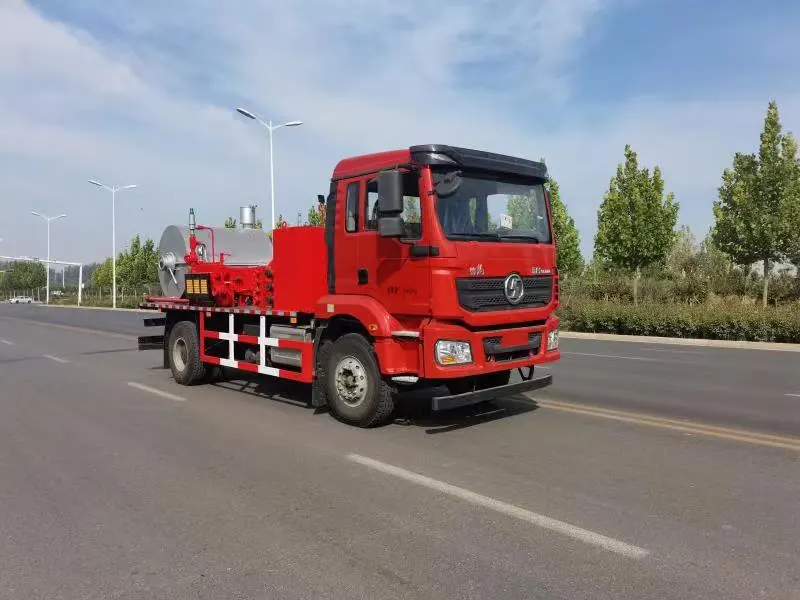
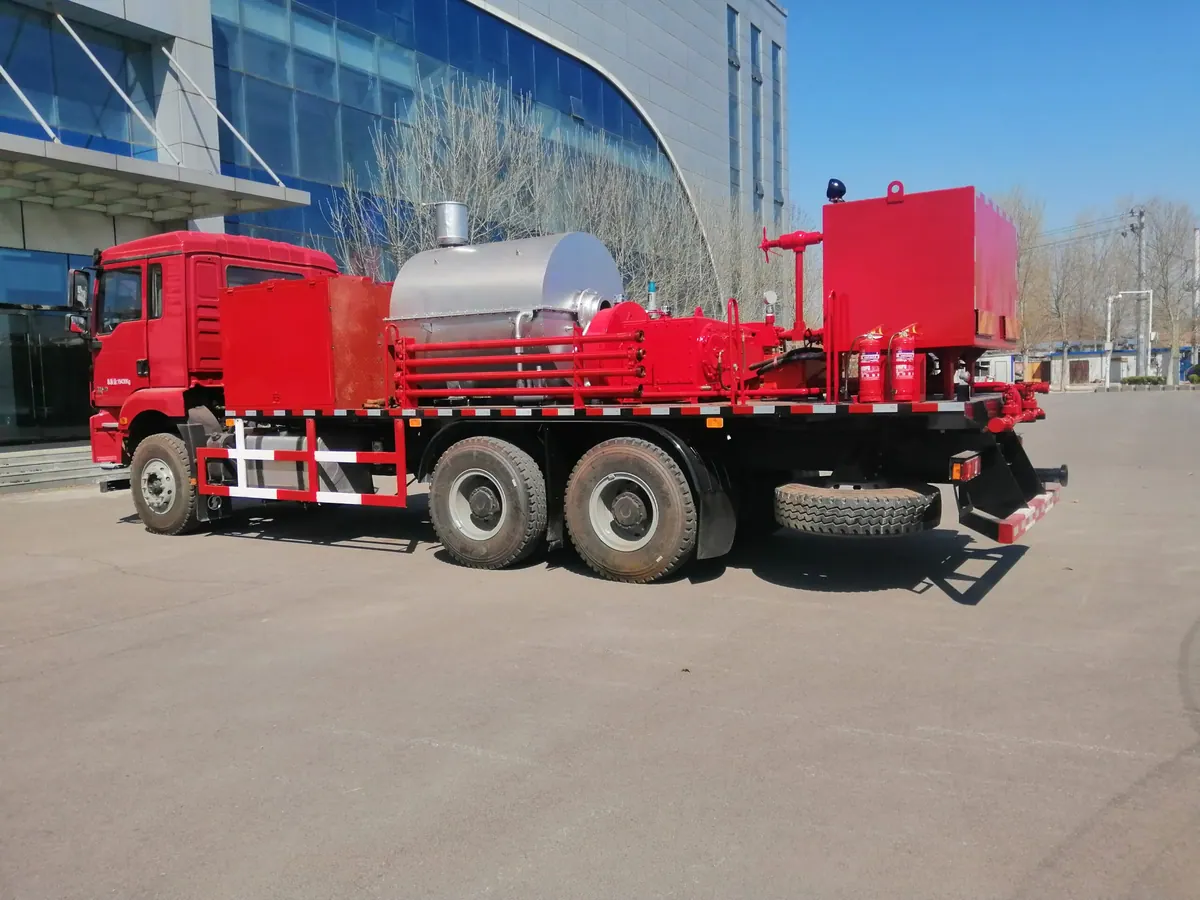
Request a schematic showing the supplied liquid path and the location of heating relative to pumping. Different layouts expose equipment to different incoming conditions. A tank heater, coil heater and downstream heated line should not be treated as interchangeable arrangements. Procurement should establish which actual configuration is proposed and what fluid condition each component must accept, rather than infer the sequence from an exterior photograph of a truck.
Describe the external supply to the inlet
Include the source location, relevant connection arrangement and available supply information for competent review. The truck supplier should identify the inlet conditions needed to support its selection and who provides them. A high discharge pressure rating does not overcome every suction-side limitation. Where external supply equipment is required, list its function and responsibility explicitly instead of assuming it is hidden inside the base vehicle price.
Ask for fluid-specific selection evidence
Have the provider identify the basis for pump capacity, drive demand and relevant equipment restrictions at the accepted incoming condition. If a curve or demonstration uses another liquid, ask what it supports and which differences remain unresolved. Avoid inventing a generic correction factor. The quotation should distinguish a preliminary clean-water reference from a supported selection for the purchaser’s actual treating fluid and complete heated circulation assignment.
Retain limits when the source changes
Record the accepted inlet basis with the equipment and handover documents. Ask which changes in fluid source or properties require another technical review before a different assignment is accepted. Seasonal conditions or a substituted treating liquid can change the original assumptions. A truck purchased for an identified fluid should not later be represented as compatible with every available oil simply because its heater can reach a higher discharge temperature.
Separate pumpability from treatment suitability
The mechanical selection needs an accepted incoming fluid and supply condition, while the treatment specialist must assess the fluid against the actual deposit and well program. Neither conclusion automatically proves the other. Compare offers with the same inlet information, supplied liquid path and external responsibilities. Require unresolved property data and any conditioning dependencies to remain visible through award. This gives the buyer a usable basis for configuration selection without prescribing fluid warming methods, a field startup recipe or a claim that heated circulation will dissolve every restriction.
Put these items side by side in the bid review
| Purchase item | Question to resolve | Evidence to request |
|---|---|---|
| Fluid basis | What reaches the truck before heating? | Properties and source conditions |
| Arrangement | Where are heater and pump located? | Identified liquid-path drawing |
| Selection | What supports the actual inlet case? | Supplier fluid-specific response |
Suggested wording for the quotation request
Select the well-flushing truck against the attached incoming-fluid information and supply arrangement. Identify the liquid path, relevant inlet requirements and supported pump performance before and during the accepted heated duty. Distinguish clean-water reference data from the actual selection basis. State external supply or conditioning responsibilities, property uncertainties and changes requiring review, without assuming the hot outlet condition also exists at the inlet.
Select the well flushing truck against an identified deposit, compatible treating fluid and an accepted circulation assignment. Review heater duty, delivered temperature, paired pump conditions, storage and the external return route together. Maximum component ratings and a wax appearance temperature do not establish a universal treatment recipe or prove cleaning effectiveness. Confirm the actual included equipment, measurement evidence and supplier responsibilities. Retain fluid information, configuration documents, operating limits and acceptance records with the purchase. Work at a well or flowline requires the responsible engineers, competent personnel and approved equipment and site procedures.
For the wider equipment scope, consult the Well Flushing Truck: Compatibility Guide. Use the RFQ checklist to collect the supporting documents before requesting a configuration-specific quotation.
Buyer questions
Can hot discharge viscosity be used for every inlet assessment?
No. Supply the actual incoming conditions and have the relevant provider assess them.
Does a positive-displacement pump remove all inlet constraints?
No. The complete supply arrangement and fluid-specific restrictions still require review.
Background and supplier contact
SLB fluid composition analysis background offers related background, not certification of the equipment in a quotation. Applicability must be checked for the project and destination.
Explore the well flushing truck, browse all technical resources, or visit Vance Petroleum for company information. Request a well-flushing package proposal with deposit information, treating-fluid properties, circulation duty and the return arrangement.