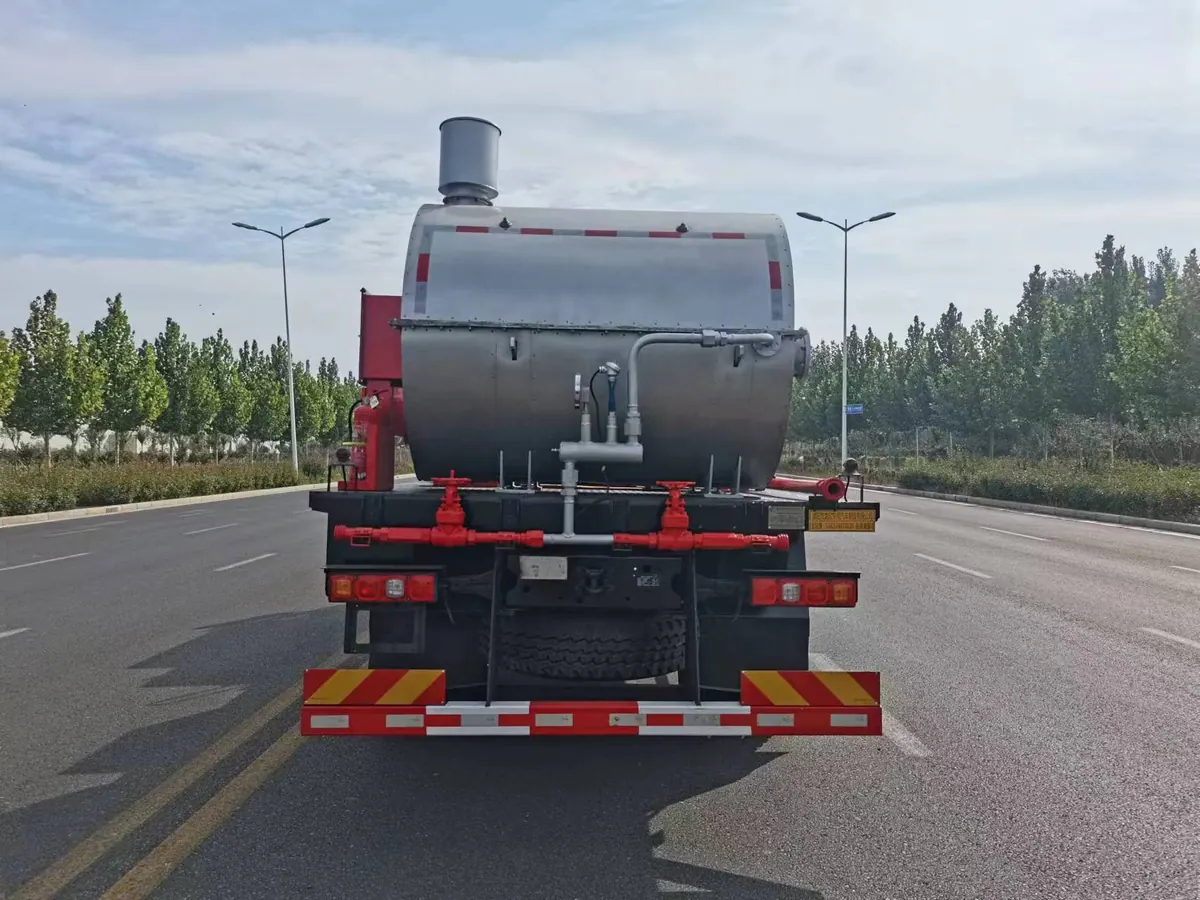
Identify why the lower rate is required
Have the responsible project team define the circulation case and its receiving constraints. Include the selected liquid, inlet condition, required delivered condition and expected duration. Do not reduce the enquiry to the lowest number shown on a pump brochure. A well or line requirement should be reviewed as a complete fluid and thermal case, with uncertainties retained rather than treated as permission to use an arbitrary low output.
Request the supported lower operating boundary
Ask the supplier which minimum conditions apply to the actual heater, pump and controls together. A pump adjustment range does not establish suitable heating throughout that range. Require a response for the selected fluid and incoming condition, including limitations that depend on the installed configuration. Avoid accepting a universal turndown ratio unless its boundary and evidence are clear and it genuinely covers the purchased heated circulation duty.
Understand any proposed internal circulation function
If a bidder proposes a bypass or internal loop, ask which equipment it serves and how the delivered stream is distinguished from internal movement. The arrangement may affect useful heat and storage requirements. Request a reviewed schematic and function description, not instructions for changing valves at a well. An internal circulation figure should not be reported as the actual flow delivered through the purchaser’s receiving boundary.
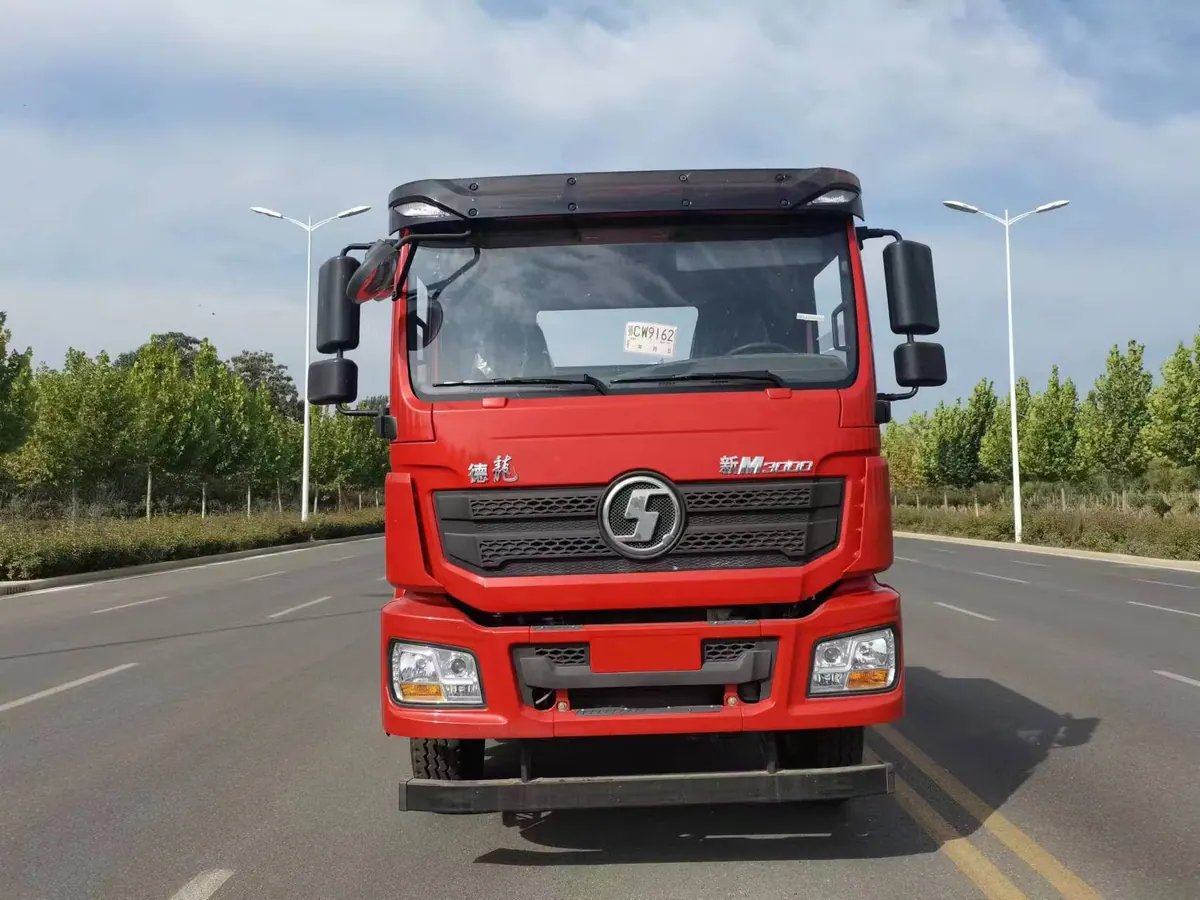
Review indications and protective functions together
Have the provider identify measurement points, relevant alarms and automatic actions for the low-rate case. An outlet temperature display alone does not establish that all relevant equipment conditions are controlled. Keep the intended behavior and evidence tied to the accepted assembly. The procurement review should identify whether the proposed package can support the assignment without requesting that minimum-flow protections be overridden to obtain a lower apparent output.
Verify the difficult case rather than only full output
Include an appropriate demonstration or other supported evidence for the agreed low-rate thermal assignment in the acceptance scope. Identify the test liquid, incoming condition, measurements and any differences from site service. A full-output cold pump run cannot substitute for this question. Ask the supplier to explain unresolved extrapolations and compare alternatives if the selected equipment cannot support the purchaser’s reviewed low-rate requirement.
Compare the usable operating range, not just adjustment knobs
A useful supplier response identifies where the complete heated package can operate, which conditions apply and how delivered flow is measured. Distinguish an adjustable control from a supported service envelope. Where the enquiry includes more than one receiving condition, compare the proposed arrangement across those cases instead of awarding the truck on its highest output. Keep low-rate acceptance separate from treatment effectiveness, and require competent review of the actual site program. There is no universal low-flow setting or bypass sequence suitable for every well-flushing truck.
Put these items side by side in the bid review
| Purchase item | Question to resolve | Evidence to request |
|---|---|---|
| Requirement | What does the receiving assignment need? | Reviewed low-rate duty case |
| Capability | What lower boundary is supported? | Heater-pump configuration response |
| Evidence | How is delivered flow distinguished? | Measurement and acceptance scope |
Suggested wording for the quotation request
Assess the proposed well-flushing truck at the attached low-rate heated duty, not only at maximum output. State the supported lower operating boundary for the actual fluid, heater, pump and control arrangement. Identify any internal circulation function separately from delivered flow, with measurement points and protective-function scope. Propose suitable verification evidence and list restrictions without relying on bypassed protections or an unreviewed field operating sequence.
Select the well flushing truck against an identified deposit, compatible treating fluid and an accepted circulation assignment. Review heater duty, delivered temperature, paired pump conditions, storage and the external return route together. Maximum component ratings and a wax appearance temperature do not establish a universal treatment recipe or prove cleaning effectiveness. Confirm the actual included equipment, measurement evidence and supplier responsibilities. Retain fluid information, configuration documents, operating limits and acceptance records with the purchase. Work at a well or flowline requires the responsible engineers, competent personnel and approved equipment and site procedures.
For the wider equipment scope, consult the Well Flushing Truck: Configuration Guide. Use the RFQ checklist to collect the supporting documents before requesting a configuration-specific quotation.
Buyer questions
Does pump speed adjustment prove low-rate heated suitability?
No. Review the heater, pump and control arrangement at the same actual conditions.
Is internal circulation the same as delivered well flow?
Not necessarily. Require clear measurement boundaries and an identified flow path.
Background and supplier contact
OSHA oil and gas extraction guidance offers related background, not certification of the equipment in a quotation. Applicability must be checked for the project and destination.
Explore the well flushing truck, browse all technical resources, or visit Vance Petroleum for company information. Request a well-flushing package proposal with deposit information, treating-fluid properties, circulation duty and the return arrangement.