Keep supplied truck duty distinct from the treatment outcome
Confirm the deposit evidence, selected treating fluid and approved circulation assignment before choosing the heater, pump and connection package. The truck supplies its accepted heating and circulation functions; a product name or reference temperature does not establish removal of every blockage. Wax appearance temperature is fluid information, not a universal controller setting or proof of deposit dissolution.
Identify the actual onboard storage, indications and controls, external well or flowline equipment and return destination in the accepted offer. Collection and filtration do not automatically establish suitability for reuse. Keep well-program, material compatibility and site operating responsibilities with the competent project team. Do not assume universal scale, asphaltene or hydrate treatment, fixed cleaning time, restored production or unattended operation from a generic hot-oil truck description.
Collect evidence about the restriction
Review recent interventions, fluid chemistry, returned solids and changes in operating behavior. Sand, mineral scale, wax and mixed deposits do not respond identically to circulation or heating. Obtain representative material for competent analysis when feasible. A pressure change alone cannot reliably identify the deposit, and assumptions should remain explicit until supporting evidence is available.
Match the treatment method to the material
The well-service team should select mechanical, thermal or chemical methods as appropriate to the confirmed condition and completion. The truck supplies an operating capability; it does not make every treatment compatible with the well. Verify required temperature, pressure, rate and fluid compatibility against the selected method. Chemical choices require their own approved compatibility and handling review.
Plan for the material after mobilization
Deposits displaced downhole can appear in surface returns with different handling requirements. Specify separation, containment and sampling for the expected mix. Compare returned material with the original diagnosis and record unexplained differences. If the job response does not fit the assumed cause, pause for the approved technical review rather than repeatedly escalating the same treatment.
Evidence to collect for this decision
| Condition | Review action | Useful evidence |
|---|---|---|
| Suspected wax | Review deposit and fluid thermal behavior | Sample and temperature context |
| Suspected scale | Confirm composition and compatibility | Laboratory result and approved method |
| Mixed returned solids | Reassess handling and diagnosis | Return sample and job trend |
Keep these observations with the equipment reference and operating conditions. When comparing proposals or service findings, check that each record describes the same configuration and duty. Resolve missing inputs with the responsible engineer before treating an estimate as an accepted operating limit.
Check the pump and connected system at the same duty
A pressure-pumping review should distinguish the process requirement from the limits of the installed equipment. The pump, driver, suction arrangement, discharge connections and receiving system must support the same operating case. Record fluid density, viscosity, temperature and solids where they influence the calculation. If a supplier curve assumes clean water, ask how the actual service changes the conclusion before accepting the proposed duty.
Compare a normal case with the most demanding credible case and any sustained low-rate operation. Identify which limit governs each result, rather than adding a general margin without explaining its purpose. Calculations and inspection findings should refer to the equipment configuration being supplied. Where an adjustment is needed, have the responsible engineer review the change and the manufacturer confirm the affected equipment limits. Field observations support that review; they do not authorize operation beyond a documented rating.
Apply the review to the offered well flushing truck
Identify the cleanout material and the approved treatment route before setting the truck duty. Heated and unheated circulation, fluid inventory and return reuse need their own acceptance basis. Record changes in returned material and reconcile supplied and recovered fluid through defined boundaries.
- Well depth: record the project range and identify whether the value is measured, calculated or still provisional.
- Tubing and annulus dimensions: state the accepted limit and the equipment or process boundary to which it applies.
- Cleanout material: include variation through the job instead of relying only on the normal operating value.
- Required pressure-flow range: identify the responsible supplier or site team and the evidence needed before acceptance.
- Heating requirement: review the case that governs this requirement and retain its basis with the equipment records.
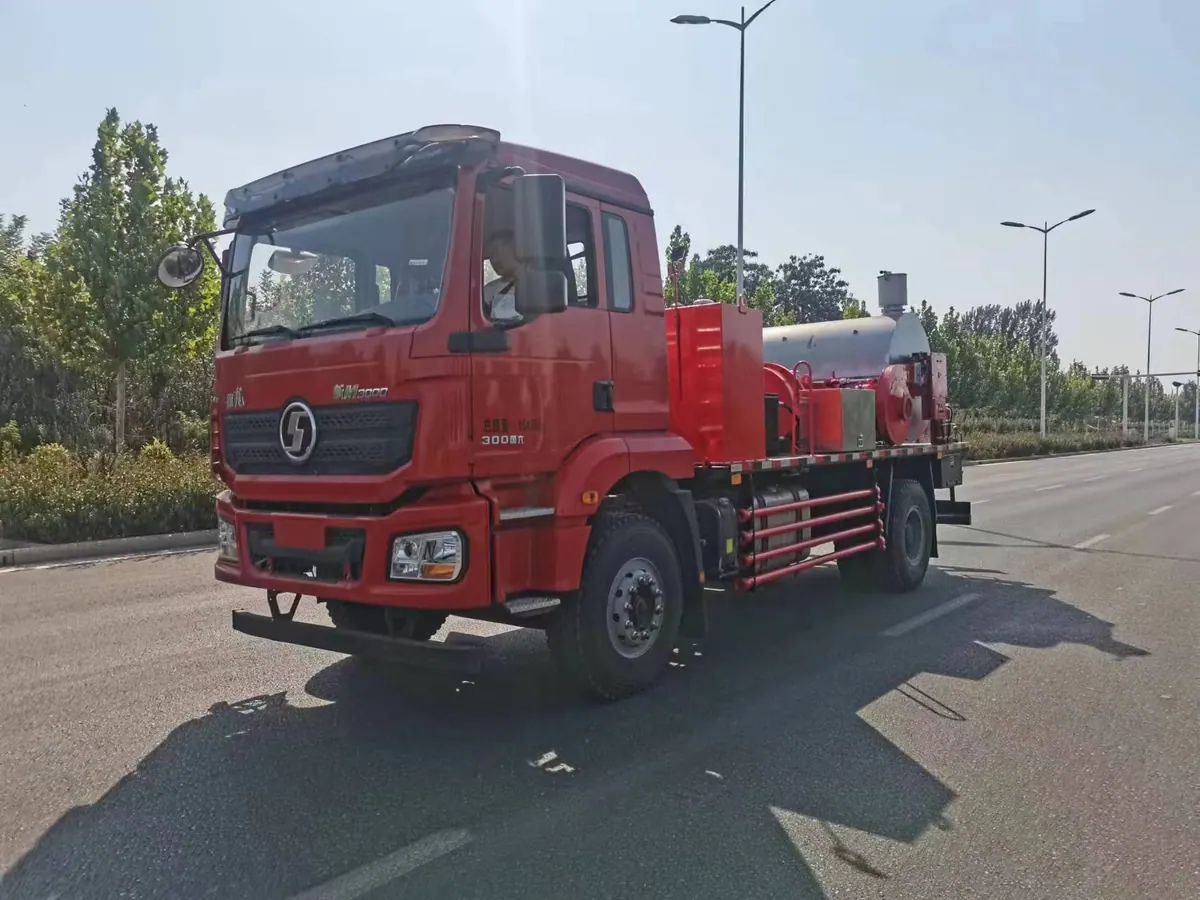
The complete package is intended for supplying heating and circulation for an accepted well-flushing or paraffin-related thermal assignment. Confirm the scope of the triplex plunger pump, specified heater and fluid-storage arrangement, specified fluid-handling interfaces, accepted discharge connection package against the selected duty. Use the specifications and sizing guide for the broader equipment requirements and the RFQ checklist to organize the supporting documents.
Questions about this equipment decision
Can hot flushing remove every type of well deposit?
No. Sand, scale, wax and mixed deposits have different treatment requirements. The method must suit the actual restriction and well conditions.
What information helps review this well flushing truck requirement?
Provide sample and temperature context; laboratory result and approved method; return sample and job trend, together with the installed equipment identification and the proposed operating conditions.
References and project support
Oil and gas extraction safety resources provides additional background. For the equipment range and company information, visit Vance Petroleum. Share the relevant duty and records when requesting a project-specific review.