Keep supplied truck duty distinct from the treatment outcome
Confirm the deposit evidence, selected treating fluid and approved circulation assignment before choosing the heater, pump and connection package. The truck supplies its accepted heating and circulation functions; a product name or reference temperature does not establish removal of every blockage. Wax appearance temperature is fluid information, not a universal controller setting or proof of deposit dissolution.
Identify the actual onboard storage, indications and controls, external well or flowline equipment and return destination in the accepted offer. Collection and filtration do not automatically establish suitability for reuse. Keep well-program, material compatibility and site operating responsibilities with the competent project team. Do not assume universal scale, asphaltene or hydrate treatment, fixed cleaning time, restored production or unattended operation from a generic hot-oil truck description.
Define the circuit volume
Use the approved well and surface geometry to estimate the liquid held in tubing, annulus, hoses and equipment. Clarify which paths are filled during each stage. The volume required to establish circulation can differ from the volume needed for a once-through job. Retain the dimensions and assumptions behind the calculation so field changes can be reviewed.
Separate working inventory from reserve
List initial fill, additions, usable tank volume and contingency requirements individually. The responsible engineer should approve the reserve basis and loss-response plan. Nominal vessel capacity may include unusable or protected volume. A truck can carry enough liquid for one stage yet require external supply for the full operation. State that boundary before mobilization.
Monitor the return balance
Measure supplied and recovered quantities using defined boundaries and units. Changes in storage, transfers and retained fluid affect the apparent balance. Unexpected loss or gain requires the response specified in the well program. Do not treat an unexplained discrepancy as a routine top-up requirement without assessing its cause through the responsible site team.
Evidence to collect for this decision
| Condition | Review action | Useful evidence |
|---|---|---|
| Initial line fill | Calculate the active flow path | Well and surface dimensions |
| Limited truck inventory | Identify external supply needs | Usable volume and stage demand |
| Unexpected imbalance | Follow the approved response | Time-aligned supply and return log |
Keep these observations with the equipment reference and operating conditions. When comparing proposals or service findings, check that each record describes the same configuration and duty. Resolve missing inputs with the responsible engineer before treating an estimate as an accepted operating limit.
Make the equipment boundary visible to both crews
A practical interface drawing identifies the supplier and owner responsibility at every process, utility and control connection. Show the equipment position and the space required for access, inspection and removal of service parts. State what arrives with the unit and what the receiving site must supply. Include any temporary equipment used only during a transition, because it can govern whether the planned sequence is workable.
Review the arrangement with the people who operate the connected systems. Agree how they recognize readiness, communicate a change and stop if the conditions are outside the approved plan. Keep the drawing and operating sequence consistent after field changes. A successful connection is more than matching fittings: the equipment must receive the required supply, deliver into an acceptable destination and respond coherently when either becomes unavailable. Record unresolved interfaces before they become assumptions made separately by two crews.
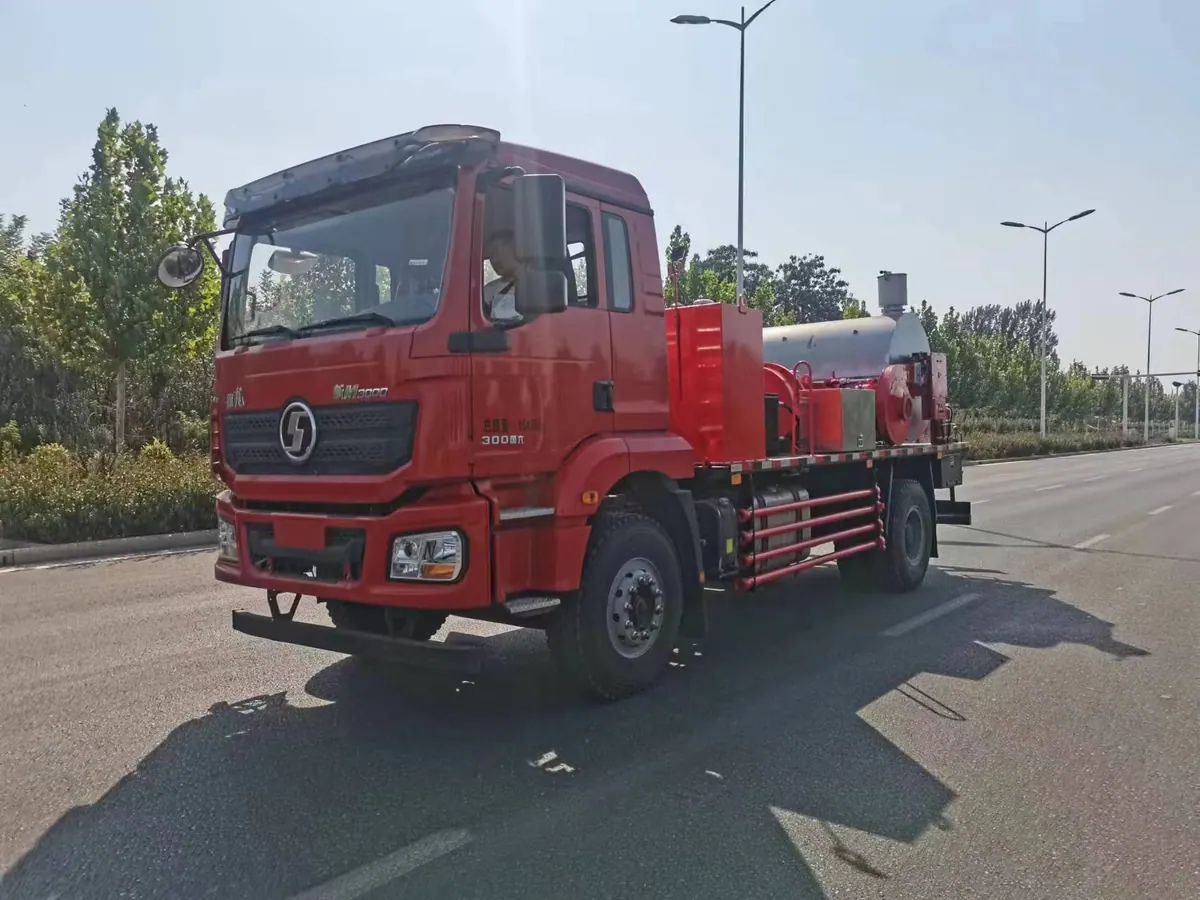
Apply the review to the offered well flushing truck
Identify the cleanout material and the approved treatment route before setting the truck duty. Heated and unheated circulation, fluid inventory and return reuse need their own acceptance basis. Record changes in returned material and reconcile supplied and recovered fluid through defined boundaries.
- Well depth: record the project range and identify whether the value is measured, calculated or still provisional.
- Tubing and annulus dimensions: state the accepted limit and the equipment or process boundary to which it applies.
- Cleanout material: include variation through the job instead of relying only on the normal operating value.
- Required pressure-flow range: identify the responsible supplier or site team and the evidence needed before acceptance.
- Heating requirement: review the case that governs this requirement and retain its basis with the equipment records.
The complete package is intended for supplying heating and circulation for an accepted well-flushing or paraffin-related thermal assignment. Confirm the scope of the triplex plunger pump, specified heater and fluid-storage arrangement, specified fluid-handling interfaces, accepted discharge connection package against the selected duty. Use the specifications and sizing guide for the broader equipment requirements and the RFQ checklist to organize the supporting documents.
Questions about this equipment decision
Is the truck tank size the total fluid needed for well flushing?
Not necessarily. Circuit fill, external storage, return reuse and reserves determine the complete job inventory.
What information helps review this well flushing truck requirement?
Provide well and surface dimensions; usable volume and stage demand; time-aligned supply and return log, together with the installed equipment identification and the proposed operating conditions.
References and project support
Oil and gas field safety resources provides additional background. For the equipment range and company information, visit Vance Petroleum. Share the relevant duty and records when requesting a project-specific review.