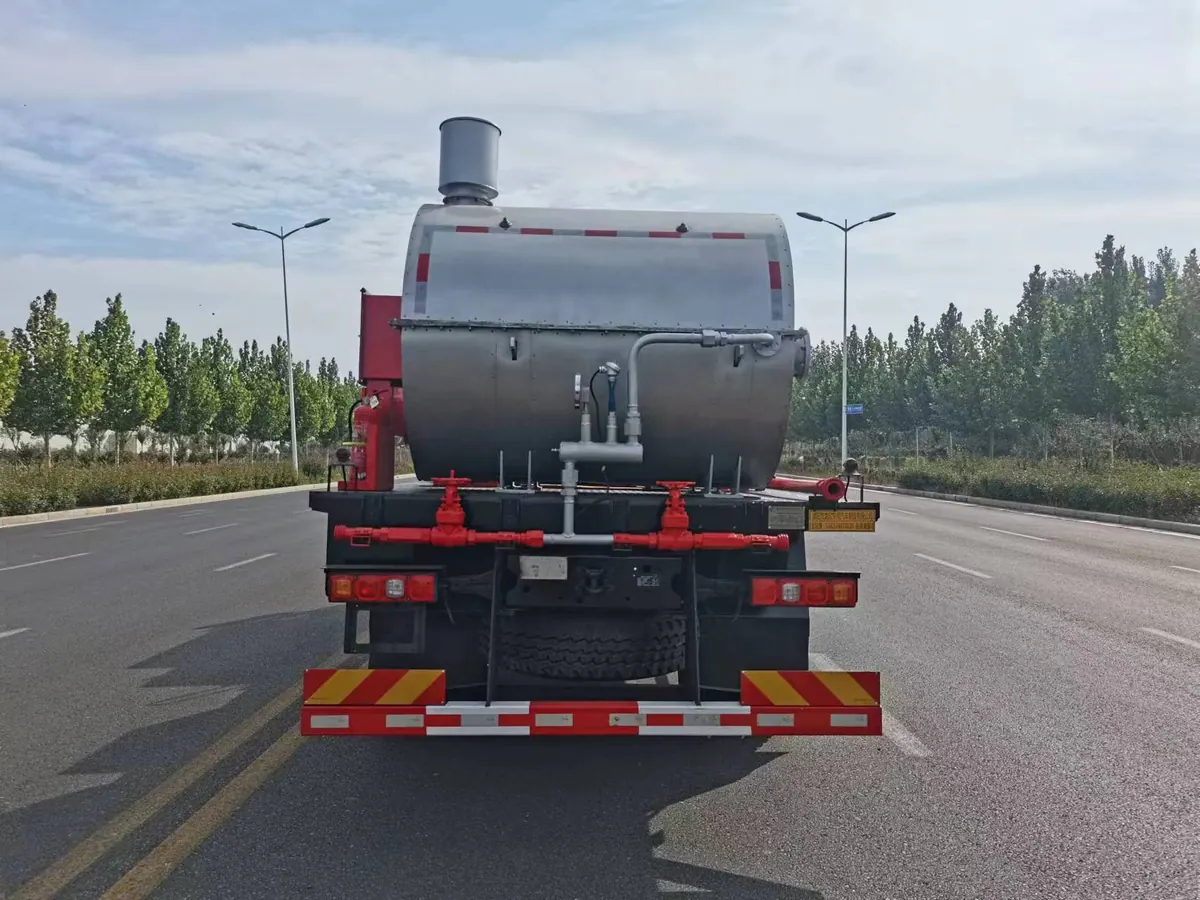
Define each tank role before discussing cleaning
Identify whether a proposed tank stores treating fluid, burner fuel or another accepted supply. State whether returned liquid is allowed into any part of that arrangement. Different roles create different acceptance questions and should not be blended into one capacity total. The quotation should show the intended contents and supported service, so later campaign planning does not assume every visible vessel is interchangeable storage for any available field liquid.
Describe the expected change of service
Tell the supplier which accepted fluids may be used across campaigns and ask the responsible fluid specialist to identify relevant cross-contamination concerns. A change between named liquids is more useful than an instruction to make the tank easy to clean. Keep properties and remaining uncertainty attached to the review. Procurement should identify the design and external services needed for the proposed transition, not invent a universal cleaning chemistry or residual-content limit.
Review the physical cleanability features
Request configuration drawings identifying relevant access, connections, drainage and internal features that influence the accepted cleaning scope. Ask what can be inspected and how the supplier supports maintainability without prescribing confined-space entry or a field cleaning sequence. A nominally empty tank may retain material in parts of the assembly. The buyer needs an honest description of design limitations rather than a promise of complete removal inferred from a drain connection.
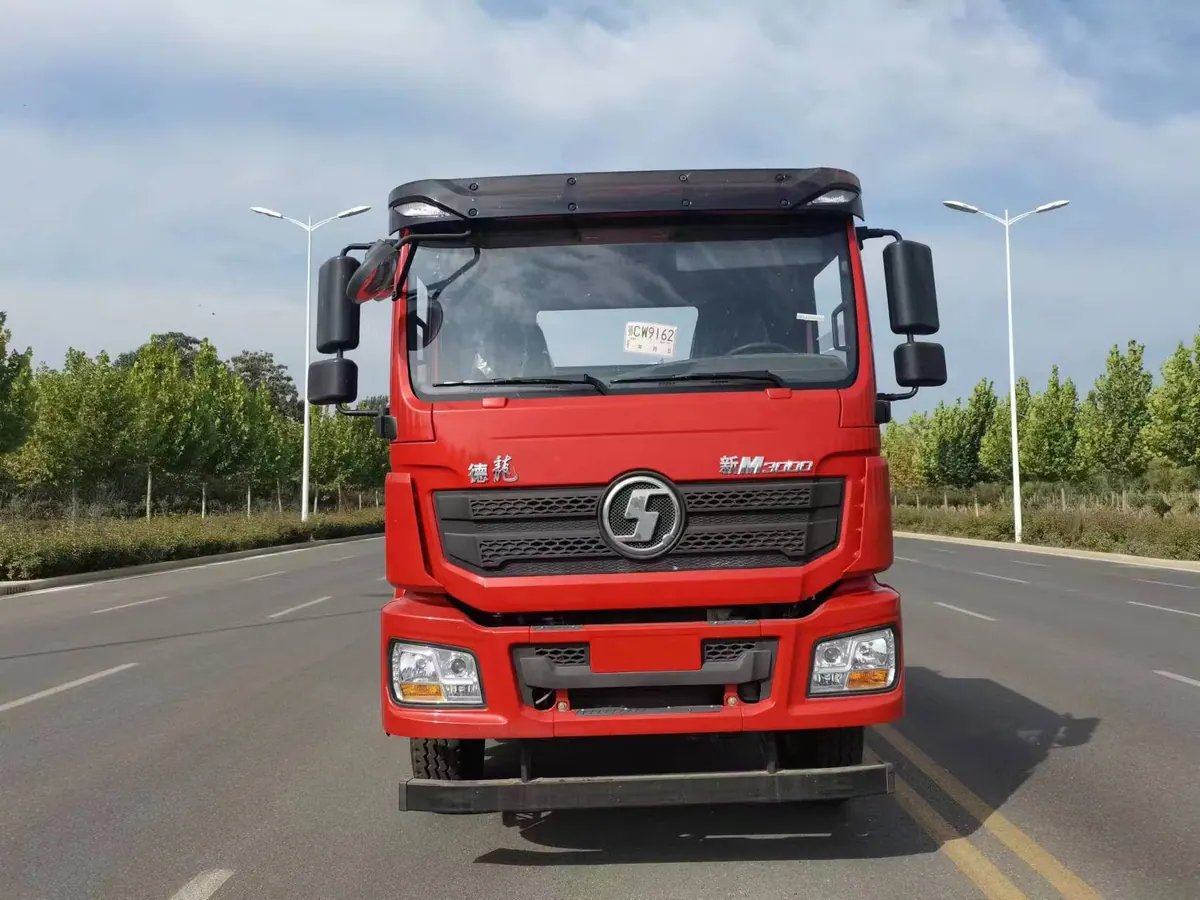
Separate truck features from cleaning services
List supplied fittings or access provisions separately from the external labor, facilities, waste handling and competent review required for a change of service. A truck designed with maintenance access does not automatically include a complete decontamination service. Identify responsibilities and restrictions in the commercial scope, particularly where campaigns use different contractors. Compare the complete transition requirements rather than ranking storage options solely by their initial equipment price.
Carry the accepted basis into handover
Ask for the relevant manufacturer documents and equipment identification needed to plan later cleaning and inspection through approved procedures. Retain the accepted fluid roles and design limitations with the tank records. If a later project proposes another liquid or return stream, review the change rather than assume that one earlier cleaning demonstration establishes unrestricted future compatibility. Acceptance should describe the purchased features, not guarantee every possible campaign transition.
Compare usable flexibility without promising zero carryover
Have bidders identify what the proposed tank arrangement enables and which transition requirements remain external. A separate compartment or tank may change contamination risk, payload and connection scope, but it still needs an accepted service basis. Keep those consequences visible when comparing alternatives. Require the responsible project team to define relevant cleanliness evidence and review methods for the actual fluid transition. An equipment quotation should support that work without promising sterile conditions, universal residue removal or permission to enter a vessel without the required competent assessment and approved procedures.
Put these items side by side in the bid review
| Purchase item | Question to resolve | Evidence to request |
|---|---|---|
| Roles | Which contents belong in each tank? | Accepted storage schedule |
| Transition | Which change of fluid is proposed? | Compatibility and cleanliness review |
| Scope | Which features and services are included? | Design and responsibility schedule |
Suggested wording for the quotation request
Quote the tank arrangement for the attached well-flushing campaigns and named treating fluids. Identify tank roles, permitted contents, relevant access and drainage features, and cleanability limitations. State supplied provisions separately from external cleaning, inspection and waste-handling services. Provide relevant drawings and handover documents, with unresolved cleanliness requirements identified for competent project review rather than assuming unrestricted fluid interchangeability.
Select the well flushing truck against an identified deposit, compatible treating fluid and an accepted circulation assignment. Review heater duty, delivered temperature, paired pump conditions, storage and the external return route together. Maximum component ratings and a wax appearance temperature do not establish a universal treatment recipe or prove cleaning effectiveness. Confirm the actual included equipment, measurement evidence and supplier responsibilities. Retain fluid information, configuration documents, operating limits and acceptance records with the purchase. Work at a well or flowline requires the responsible engineers, competent personnel and approved equipment and site procedures.
For the wider equipment scope, consult the Well Flushing Circulation Volumes: Tanks and Returns. Use the RFQ checklist to collect the supporting documents before requesting a configuration-specific quotation.
Buyer questions
Does an empty indication establish a clean tank?
No. Residual material and the complete arrangement need the relevant review.
Does a cleaning access feature include cleaning services?
Not unless the quotation explicitly identifies those services and their responsibilities.
Background and supplier contact
OSHA oil and gas extraction guidance offers related background, not certification of the equipment in a quotation. Applicability must be checked for the project and destination.
Explore the well flushing truck, browse all technical resources, or visit Vance Petroleum for company information. Request a well-flushing package proposal with deposit information, treating-fluid properties, circulation duty and the return arrangement.