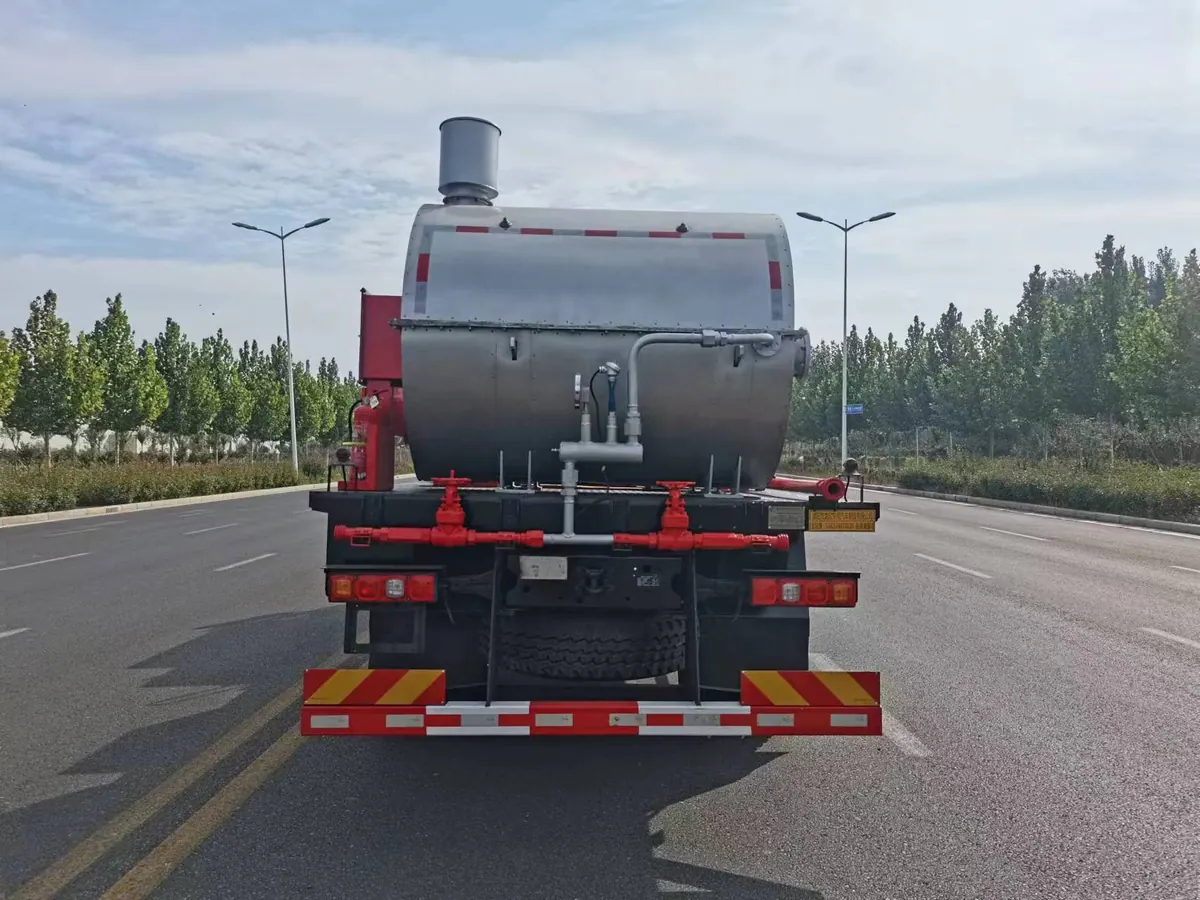
Normalize the duty before comparing consumption
Provide the accepted treating liquid, inlet and delivered conditions, flow and relevant duration for the reviewed assignment. Ask each bidder to identify the corresponding useful thermal duty and boundary. Comparing one truck at a favorable partial load with another at a different delivered output produces an unreliable ranking. Keep maximum burner input separate from useful fluid heating, and require assumptions to remain visible rather than convert a headline capacity into a savings claim.
Identify the fuel and measurement basis
Ask what fuel properties, units and conditions support the offered consumption information. Where conversion is required, have the responsible provider explain the basis. A volume figure for one fuel is not automatically equivalent to another fuel’s energy input or cost. Keep measured records, calculations and preliminary estimates distinguishable. The purchase comparison should state what is actually supported rather than invent an efficiency percentage or an unrestricted guarantee across all available field fuels.
Include relevant auxiliary consumption
Ask which driver, electrical and other energy demands are included in the estimate and which sit outside the truck-supplier boundary. A heater-only figure can omit the energy needed to circulate the actual fluid. Where site equipment supplies part of the accepted function, include its relevant commercial contribution through the responsible project estimate. Do not add arbitrary allowances; document the actual scope so different package arrangements can be compared on a consistent basis.

Use a stated campaign model
Describe the intended mix of accepted work, travel and non-operating periods where those inputs are available for responsible evaluation. A single steady-state factory result may not represent the whole ownership period. Keep uncertain utilization assumptions explicit and compare their effect rather than promise a fixed payback time. The model should support a purchase decision about the offered configuration, not guarantee a treatment interval or field production improvement that the equipment evidence cannot establish.
Compare evidence alongside commercial sensitivity
Request the relevant records or calculation explanation behind important cost claims and identify which inputs are purchaser estimates. Review how the conclusion changes when the accepted duty or local fuel price changes. Retain the technical scope with the estimate so a later revised configuration is not judged using an obsolete consumption assumption. A low projected operating cost should not override unresolved useful-duty capability, fluid compatibility or external supply requirements.
Keep running-cost comparisons auditable
Ask bidders to respond to one stated duty and package boundary, with fuel basis, useful heat and included auxiliaries listed. The result should make clear which values are measured, which are calculated and which remain preliminary. Compare ownership consequences together with the initial equipment price, but do not replace missing data with a generic percentage saving. A defensible cost review can show the conditions under which an offer is attractive without guaranteeing future energy prices, universal efficiency, production recovery or a fixed return on investment from a well-flushing truck.
Put these items side by side in the bid review
| Purchase item | Question to resolve | Evidence to request |
|---|---|---|
| Duty | Are the delivered cases equivalent? | Accepted thermal and circulation basis |
| Consumption | Which fuel and package loads are included? | Explained estimate or measurement record |
| Economics | Which assumptions govern the comparison? | Transparent campaign and price model |
Suggested wording for the quotation request
Provide an explained running-cost estimate for the proposed well-flushing truck at the attached useful heated duty and campaign assumptions. State fuel properties, units, measurement or calculation basis and included auxiliary demand. Identify external energy contributions and uncertain inputs separately. Keep configuration changes linked to revised estimates, and distinguish equipment consumption evidence from unsupported savings, payback or field production guarantees.
Select the well flushing truck against an identified deposit, compatible treating fluid and an accepted circulation assignment. Review heater duty, delivered temperature, paired pump conditions, storage and the external return route together. Maximum component ratings and a wax appearance temperature do not establish a universal treatment recipe or prove cleaning effectiveness. Confirm the actual included equipment, measurement evidence and supplier responsibilities. Retain fluid information, configuration documents, operating limits and acceptance records with the purchase. Work at a well or flowline requires the responsible engineers, competent personnel and approved equipment and site procedures.
For the wider equipment scope, consult the Well Flushing Truck: Price and Cost Guide. Use the RFQ checklist to collect the supporting documents before requesting a configuration-specific quotation.
Buyer questions
Can the lowest fuel-consumption number identify the lowest-cost truck?
Not without matching useful duty, fuel basis and included package functions.
Does a steady-state test predict every campaign cost?
No. The actual utilization and external resources need their own stated assumptions.
Background and supplier contact
ICC Incoterms® resources offers related background, not certification of the equipment in a quotation. Applicability must be checked for the project and destination.
Explore the well flushing truck, browse all technical resources, or visit Vance Petroleum for company information. Request a well-flushing package proposal with deposit information, treating-fluid properties, circulation duty and the return arrangement.