Break the assignment into answerable requirements
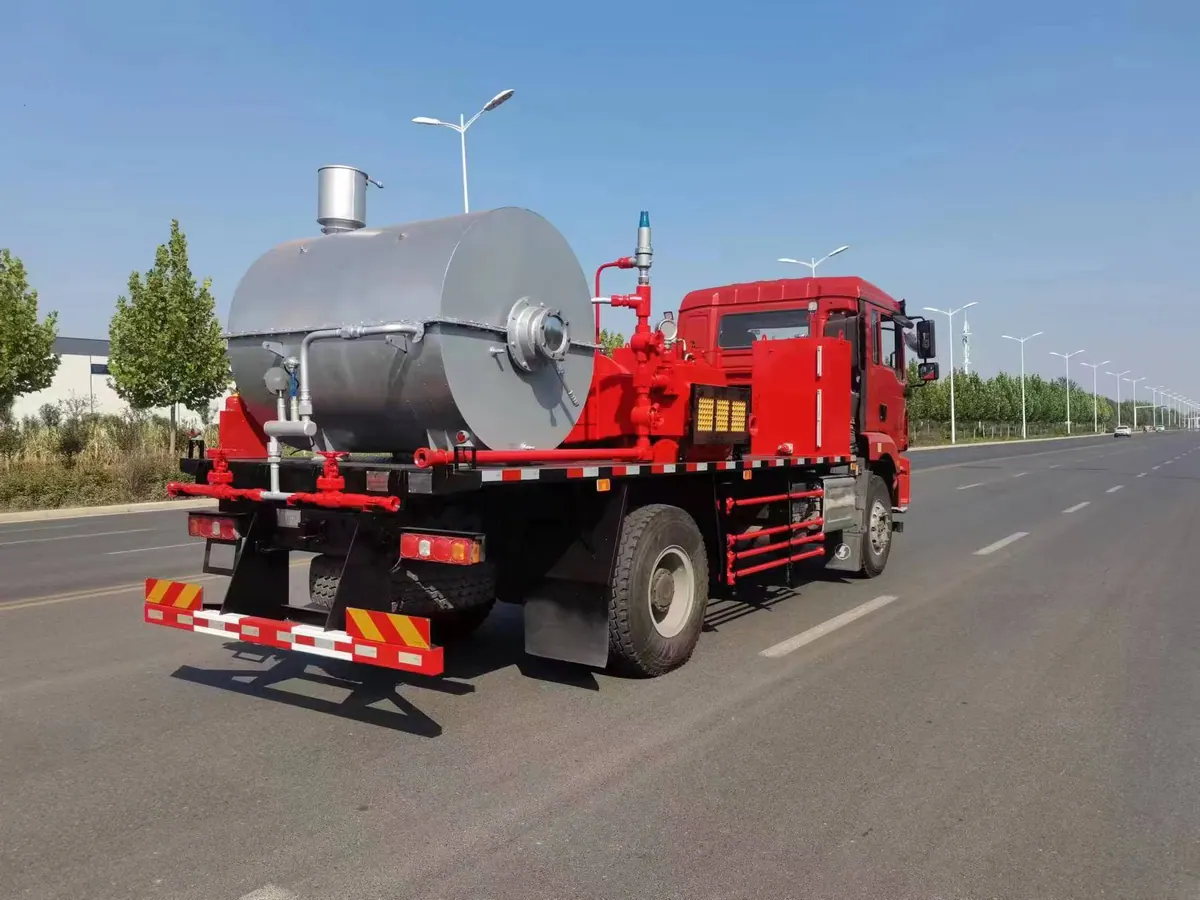
Give bidders a controlled schedule for the proposed heated circulation service. Separate treating-fluid information, simultaneous duty cases, installed equipment, external interfaces and documentation. One long sentence asking for a complete well-flushing solution allows different interpretations. A short requirement should identify its intended boundary and evidence, so a supplier can state a supported response rather than accept an undefined promise about cleaning every well in the field.
Distinguish compliance from a proposed alternative
Ask for separate columns identifying compliance, deviation, clarification and evidence. If the offered pump supports a different heated operating range, the change belongs beside that requirement, not inside a general brochure attachment. An alternative may be worth considering, but it needs its own conditions and commercial effect. Do not treat an unanswered clause as acceptance or infer that a larger catalogue maximum resolves a missing simultaneous-duty response.
Trace the response to installed equipment
Require equipment identifiers and the document revision supporting important claims. Heater output, pump capability and connection limits should describe the proposed assembly and selected fluid. A certificate for an unrelated model is not evidence for the offered truck. Where information remains preliminary, have the bidder identify the confirmation milestone and purchaser input required, keeping a conditional selection distinct from an accepted configuration ready for manufacture.
Evaluate the external work left to the buyer
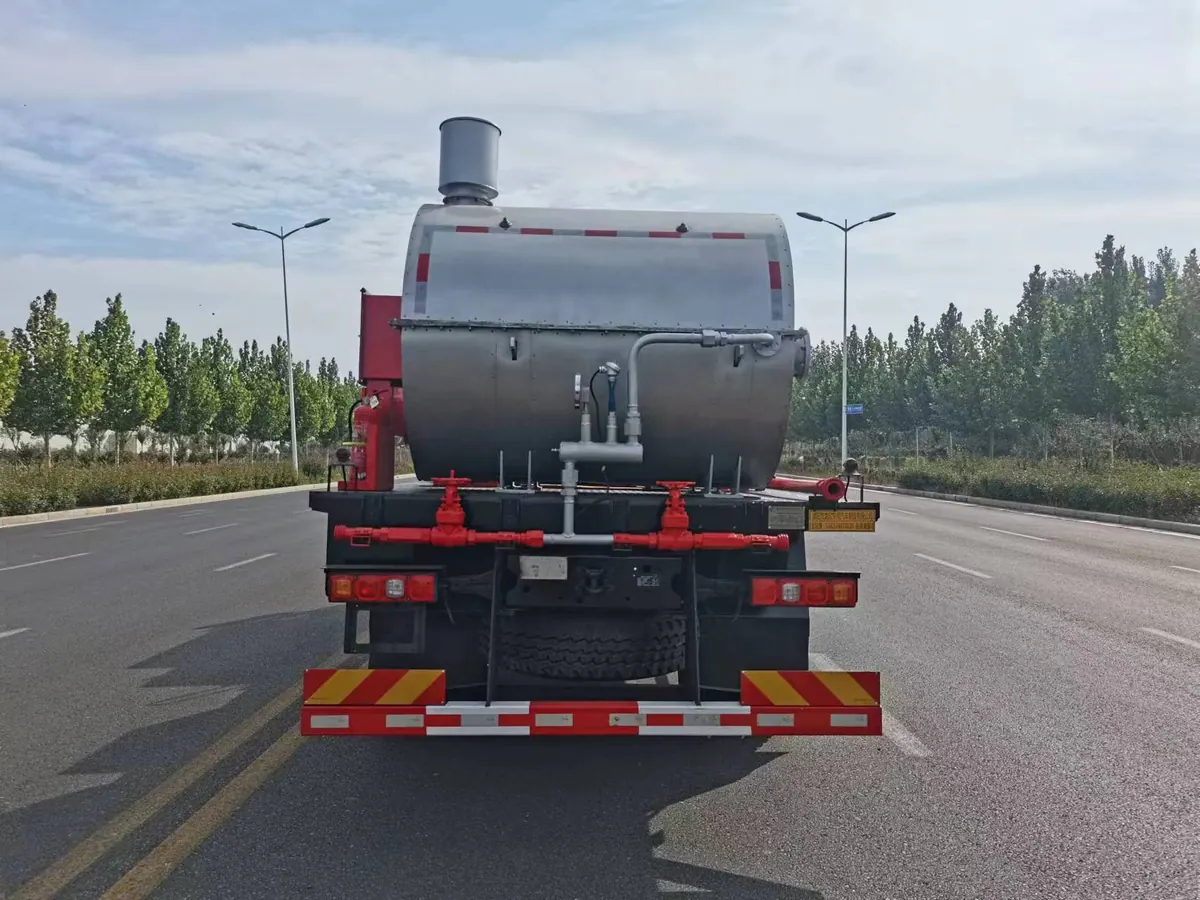
Compare exclusions for well-control interfaces, fluid supply, return collection, utilities and site engineering. A lower equipment price may leave more of these functions outside the quotation. Assign each interface to a named party and identify the associated drawing or schedule. The comparison should expose gaps and overlaps rather than silently award the same scope to two contractors or assume the truck provides an entire treatment service.
Close significant deviations before award
Resolve material departures through the responsible technical and commercial review, then retain the agreed matrix with the order. Carry approved alternatives into the equipment list, acceptance plan and price schedule. Closing a clarification means documenting the accepted answer, not simply deleting it from a spreadsheet. If the selected fluid or well assignment changes, revisit the affected responses instead of continuing to rely on a compliance statement issued for another duty.
Compare evidence quality as well as the number of accepted clauses
Treat the response matrix as a decision record linking the proposed truck to the purchased functions. Ask whether the same equipment revision supports the heater, pump, controls and interface answers, and whether each unresolved item has a responsible party. A qualified statement with usable evidence can be more informative than an unrestricted yes. Keep field treatment outcomes outside equipment compliance unless the contract separately defines and supports them. The award should identify what is accepted, what remains conditional and what cannot proceed until further project information is supplied.
Put these items side by side in the bid review
| Purchase item | Question to resolve | Evidence to request |
|---|---|---|
| Duty response | Which heated cases are supported? | Identified selection documents |
| Deviations | What differs from the enquiry? | Reviewed alternative and price effect |
| Exclusions | Who supplies external functions? | Accepted responsibility schedule |
Suggested wording for the quotation request
Return a clause-by-clause response for the attached well-flushing truck specification. Identify compliance, alternatives, exclusions and supporting document revisions separately. Link each heater, pump, control and connection response to the offered assembly and selected treating fluid. State unresolved inputs and confirmation milestones. Include the technical and price effect of deviations so the accepted contract can describe one consistent supplied configuration.
Select the well flushing truck against an identified deposit, compatible treating fluid and an accepted circulation assignment. Review heater duty, delivered temperature, paired pump conditions, storage and the external return route together. Maximum component ratings and a wax appearance temperature do not establish a universal treatment recipe or prove cleaning effectiveness. Confirm the actual included equipment, measurement evidence and supplier responsibilities. Retain fluid information, configuration documents, operating limits and acceptance records with the purchase. Work at a well or flowline requires the responsible engineers, competent personnel and approved equipment and site procedures.
For the wider equipment scope, consult the Well Flushing Truck Manufacturer Guide. Use the RFQ checklist to collect the supporting documents before requesting a configuration-specific quotation.
Buyer questions
Does a compliant brochure establish the complete offered scope?
No. Request an identified equipment schedule and responses tied to the actual duty and assembly.
Should every alternative be rejected?
Not automatically. Review its conditions, evidence and commercial effect before accepting it.
Background and supplier contact
OSHA oil and gas extraction guidance offers related background, not certification of the equipment in a quotation. Applicability must be checked for the project and destination.
Explore the well flushing truck, browse all technical resources, or visit Vance Petroleum for company information. Request a well-flushing package proposal with deposit information, treating-fluid properties, circulation duty and the return arrangement.