
Establish the baseline before comparing revisions
Record the fluid basis, accepted heated duty cases, tank roles, power package and external interfaces against a quotation revision. Include preliminary information and exclusions rather than leaving them in disconnected email chains. When a buyer later asks for another operating case, both parties need to know what has changed. A stable baseline allows the supplier to identify a real variation instead of interpreting every new message as a replacement specification.
Follow changes across connected systems
Ask the bidder to assess a revised circulation requirement through the heater, pump, storage, power and connections together. A higher requested rate can affect useful thermal duty, not just pump selection. A different treating liquid can affect materials and instrumentation. The response should identify affected assemblies and documents; accepting one component upgrade without reviewing its neighbors can leave an apparently improved truck unable to support the revised complete assignment.
Separate an option from an accepted variation
Have optional equipment priced and described independently until the purchaser accepts it. Specify whether the option replaces a base item or adds a separate function. A quotation containing several mutually exclusive power arrangements should not become an order for an undefined combination. When an option is selected, incorporate its interface requirements and remove obsolete assumptions so the equipment list, layout and acceptance documents remain consistent.
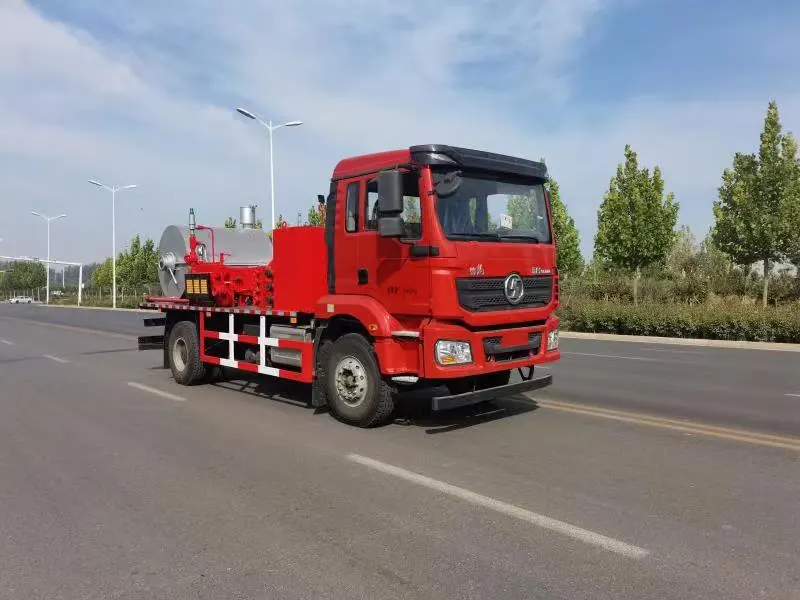
Make schedule and verification effects explicit
Request the effect of the variation on engineering approval, procurement, manufacture and inspection milestones. Ask which calculations, drawings or demonstrations need revision. A price-only change notice is incomplete when the new duty requires different evidence or purchaser resources. Keep delivery estimates conditional on the actual approval sequence rather than promise a universal lead time, and distinguish a confirmed schedule change from a provisional estimate awaiting supplier review.
Release one controlled configuration for manufacture
Before authorizing the relevant work, reconcile the final duty schedule, offer, deviations and accepted variation records. Identify who can approve further changes and how obsolete documents are withdrawn. The supplier should not have to choose between conflicting purchaser messages. Preserve the history for later service and acceptance review, particularly where the truck will be compared with an earlier offer that described a different heater, fluid or supply boundary.
Use a change register focused on consequences
For each proposed variation, record the reason, affected duty, equipment response, cost, schedule, verification and approval status. This is particularly useful when thermal and circulation requirements evolve at different times. A change is not complete merely because a revised total price is available. Confirm that included equipment and external responsibilities still form a usable package, with the final operating limits supported by the selected components. Retaining superseded revisions makes the decision traceable without allowing old capacity statements or photographs to define the delivered truck.
Put these items side by side in the bid review
| Purchase item | Question to resolve | Evidence to request |
|---|---|---|
| Baseline | Which offer is being changed? | Controlled duty and quotation revision |
| Consequences | Which systems and tests are affected? | Supplier impact response |
| Release | What configuration is authorized? | Accepted variation and final schedule |
Suggested wording for the quotation request
Assess the attached revision against the identified well-flushing truck quotation baseline. List every affected heater, pump, storage, power, control and connection item. State technical restrictions, revised verification needs, commercial differences and milestone effects separately. Keep unaccepted options outside the manufacturing release and provide a reconciled equipment schedule after approval, with the earlier configuration retained only as a superseded record.
Select the well flushing truck against an identified deposit, compatible treating fluid and an accepted circulation assignment. Review heater duty, delivered temperature, paired pump conditions, storage and the external return route together. Maximum component ratings and a wax appearance temperature do not establish a universal treatment recipe or prove cleaning effectiveness. Confirm the actual included equipment, measurement evidence and supplier responsibilities. Retain fluid information, configuration documents, operating limits and acceptance records with the purchase. Work at a well or flowline requires the responsible engineers, competent personnel and approved equipment and site procedures.
For the wider equipment scope, consult the Well Flushing Truck: RFQ Checklist. Use the RFQ checklist to collect the supporting documents before requesting a configuration-specific quotation.
Buyer questions
Is a revised price enough to accept a duty change?
No. Review the equipment, interfaces, documents and verification consequences as well.
Does an unselected option belong in the final performance claim?
No. State which configuration is actually accepted and supplied.
Background and supplier contact
ICC Incoterms® resources offers related background, not certification of the equipment in a quotation. Applicability must be checked for the project and destination.
Explore the well flushing truck, browse all technical resources, or visit Vance Petroleum for company information. Request a well-flushing package proposal with deposit information, treating-fluid properties, circulation duty and the return arrangement.