Define the inspection contribution precisely
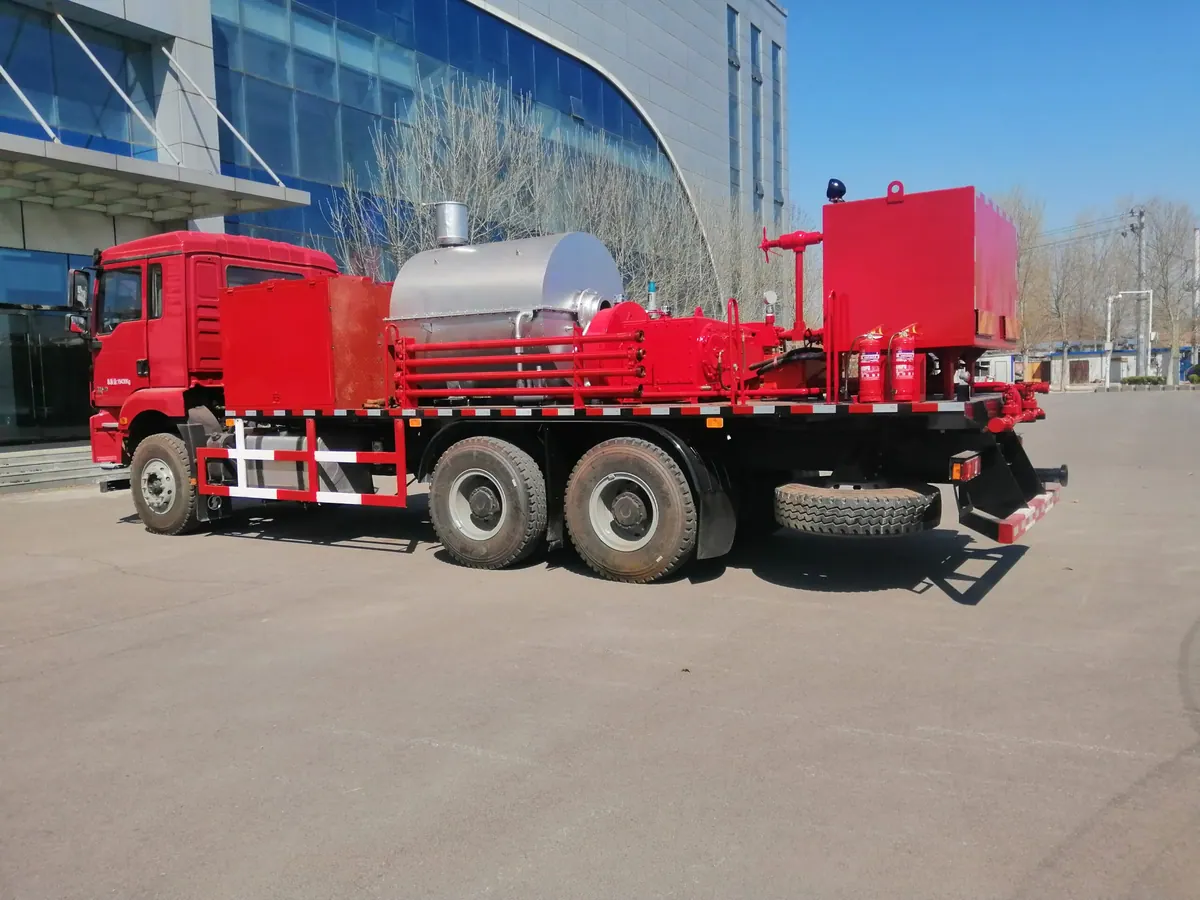
Identify the equipment and contractual questions the independent reviewer is engaged to address. Separate document review, identification checks, manufacturing observations and witnessed demonstrations. The phrase third-party inspection included can mean very different services. Ask the bidder to state the proposed scope and boundaries rather than assume an inspector will approve the complete truck, well program, destination installation and treatment results under one undefined engagement.
Connect stages to the relevant evidence
Agree the records or activities that need review at the appropriate manufacturing stage. Some matters may be difficult to assess after an assembly is closed or a demonstration completed. Have the responsible parties define any hold or witness arrangements within the project plan. Procurement should identify evidence needs and authority without inventing a universal inspection sequence or assuming that an observer’s presence automatically validates every technical requirement in the order.
Assign notice and readiness responsibilities
State who gives notice, which information is needed for the review and what readiness means for the agreed activity. Keep purchaser or inspector availability separate from the supplier’s responsibility to prepare the actual equipment and records. An attendance date alone does not establish that the truck configuration is ready for meaningful verification. Include the commercial and schedule treatment of relevant changes or repeated activities in the agreed contract rather than leaving them implicit.
Keep findings and release decisions distinct
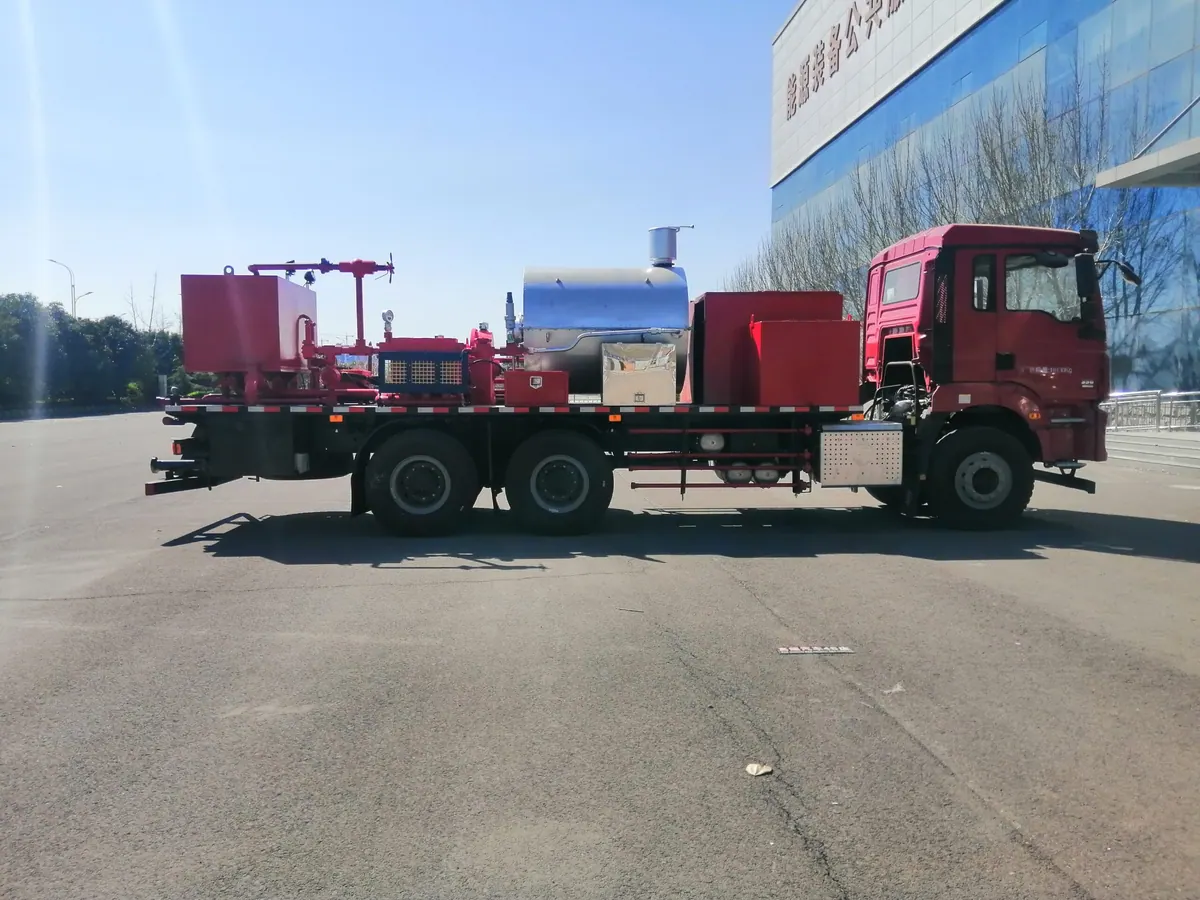
Ask how observations, deviations and unresolved items are recorded and who has authority to accept their disposition. A signed attendance sheet is not necessarily final technical acceptance or permission to dispatch. The reviewer’s report should identify its scope and conditions. Keep material exceptions visible until the responsible contract parties have resolved them, with any effect on further work or release documented through the accepted project process.
Link final reports to the delivered truck
Require relevant equipment identifiers, document revisions and test conditions in the completed inspection records. Ask how an approved later modification affects prior findings or requires additional review. An inspection of one configuration should not be used without qualification to support a different final assembly. Retain the report and closed dispositions with the handover package, separating supplier equipment evidence from any purchaser-controlled destination or site acceptance that remains outstanding.
Compare inspection coverage rather than the inspector’s name alone
A recognizable inspection provider can still be engaged for a narrow assignment. Request a clear scope, relevant milestones and responsibility schedule from each bidder, with additional review options priced transparently. Keep equipment capability, contractual acceptance and destination requirements as distinct decisions supported by the appropriate evidence. This allows procurement to buy a useful independent review without claiming that attendance supplies universal certification, transfers every engineering responsibility to the inspector or guarantees that a factory demonstration will predict wax-removal results at an actual well.
Put these items side by side in the bid review
| Purchase item | Question to resolve | Evidence to request |
|---|---|---|
| Scope | What will the independent reviewer assess? | Accepted inspection assignment |
| Stages | When is evidence available? | Agreed witness and review schedule |
| Disposition | Who resolves and accepts findings? | Exception and release responsibility record |
Suggested wording for the quotation request
Propose an inspection and evidence plan for the offered well-flushing truck with independent-review scope stated separately. Identify relevant document, witness and hold arrangements, readiness and notice responsibilities, equipment identifiers and report requirements. Define how exceptions and later configuration changes are reviewed. Price the included services and distinguish inspector attendance from contractual release, destination approval and site treatment acceptance.
Select the well flushing truck against an identified deposit, compatible treating fluid and an accepted circulation assignment. Review heater duty, delivered temperature, paired pump conditions, storage and the external return route together. Maximum component ratings and a wax appearance temperature do not establish a universal treatment recipe or prove cleaning effectiveness. Confirm the actual included equipment, measurement evidence and supplier responsibilities. Retain fluid information, configuration documents, operating limits and acceptance records with the purchase. Work at a well or flowline requires the responsible engineers, competent personnel and approved equipment and site procedures.
For the wider equipment scope, consult the Well Flushing Truck: FAT Checklist. Use the RFQ checklist to collect the supporting documents before requesting a configuration-specific quotation.
Buyer questions
Does inspector attendance equal final acceptance?
Not necessarily. State the authority and disposition process in the contract.
Can a report for an earlier assembly support every later change?
No. Review how the change affects the evidence and inspection scope.
Background and supplier contact
ICC Incoterms® resources offers related background, not certification of the equipment in a quotation. Applicability must be checked for the project and destination.
Explore the well flushing truck, browse all technical resources, or visit Vance Petroleum for company information. Request a well-flushing package proposal with deposit information, treating-fluid properties, circulation duty and the return arrangement.