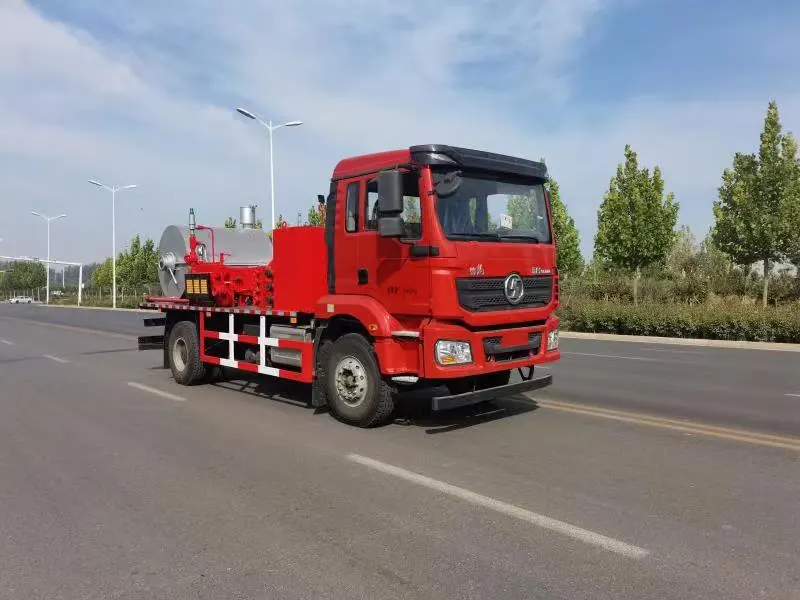
Tie each reading to a physical boundary
Ask the bidder to identify temperature instrument locations on the proposed fluid-path drawing. Distinguish incoming liquid, heater outlet, storage and any other supplied measurement point. A single quoted operating temperature may describe different boundaries in different offers. The comparison should state where equipment performance is accepted rather than assume that a display mounted on the control panel reports the condition at every point of the treatment circuit.
Separate indication from control and protective functions
Have the provider explain the intended role of each relevant instrument in the accepted configuration. A display, a controller input and a protective-function measurement are not automatically the same item. Identify relevant shared dependencies without prescribing the design or field settings. Procurement should establish which functions are supplied and how their evidence will be reviewed, not infer a complete automatic protection scheme from the presence of a digital temperature indicator.
Request the basis relevant to changing conditions
Discuss the instrument and installation characteristics needed to support the accepted service cases with the responsible provider. A static reference value may not answer a question about changing supply conditions or the selected measurement boundary. Avoid inventing a universal response-time requirement. Ask which information supports the proposed selection and what limitations matter to interpretation, keeping the actual sensor arrangement and fluid path tied to the accepted truck configuration.
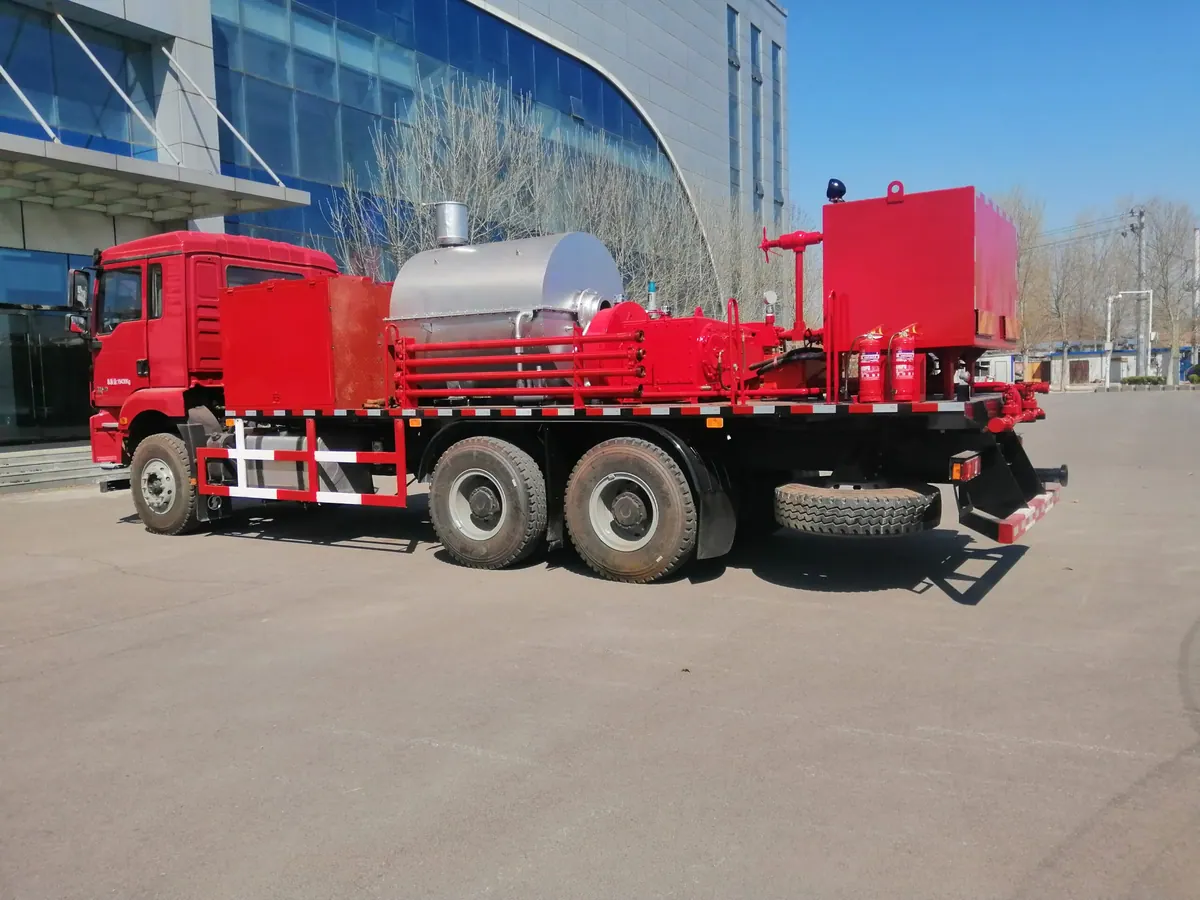
Keep truck readings distinct from remote conditions
Identify any external measurement needed by the responsible well or flow-assurance team. A truck outlet instrument does not measure deposit temperature or every connected hose segment. Where the contract uses a remote acceptance point, assign the additional measurement and interface responsibilities explicitly. The offer should separate supported truck duty from field interpretation rather than promise a downhole thermal condition inferred from a surface display without a reviewed assessment.
Include instrument records in acceptance and handover
Request relevant identifiers, location information, range and agreed verification evidence for the supplied instruments. Check consistency between the final drawing, display labels and acceptance records. Retain changes that affect interpretation, including a substituted sensor or relocated point. A calibration record can support the identified instrument but does not by itself prove the entire installed thermal path or establish the field treatment outcome promised in an unrelated quotation.
Compare measurements at equivalent locations
Have bidders respond to the same performance boundary and describe any difference between an indicated value and the purchased delivered-fluid requirement. This prevents a warm storage reading from being ranked against another truck’s measured discharge condition. Keep factory verification conditions and site measurement needs explicit, with responsibilities for external instruments assigned. The buyer gains a usable thermal evidence chain without choosing controller setpoints, approving an unreviewed sensor modification or treating the highest displayed temperature as proof that useful heat reaches the target deposit.
Put these items side by side in the bid review
| Purchase item | Question to resolve | Evidence to request |
|---|---|---|
| Location | Which point does each value describe? | Identified instrument drawing |
| Function | Indication, control or protective input? | Accepted function schedule |
| Evidence | What supports the installed reading? | Instrument and verification records |
Suggested wording for the quotation request
Provide the temperature measurement schedule for the proposed well-flushing truck. Identify instrument locations and intended functions on the fluid-path drawing, with the delivered-duty acceptance point distinguished from storage and heater reference values. State relevant selection limitations and verification scope. Include final identifiers and records in handover, and separate truck measurements from external well or treatment interpretation responsibilities.
Select the well flushing truck against an identified deposit, compatible treating fluid and an accepted circulation assignment. Review heater duty, delivered temperature, paired pump conditions, storage and the external return route together. Maximum component ratings and a wax appearance temperature do not establish a universal treatment recipe or prove cleaning effectiveness. Confirm the actual included equipment, measurement evidence and supplier responsibilities. Retain fluid information, configuration documents, operating limits and acceptance records with the purchase. Work at a well or flowline requires the responsible engineers, competent personnel and approved equipment and site procedures.
For the wider equipment scope, consult the Well Flushing Truck: Specs and Sizing. Use the RFQ checklist to collect the supporting documents before requesting a configuration-specific quotation.
Buyer questions
Does a heater outlet reading establish downhole temperature?
No. The remote thermal condition requires its own competent assessment and evidence.
Is every display part of an automatic protective function?
No. Ask for the actual function and measurement schedule.
Background and supplier contact
OSHA oil and gas extraction guidance offers related background, not certification of the equipment in a quotation. Applicability must be checked for the project and destination.
Explore the well flushing truck, browse all technical resources, or visit Vance Petroleum for company information. Request a well-flushing package proposal with deposit information, treating-fluid properties, circulation duty and the return arrangement.