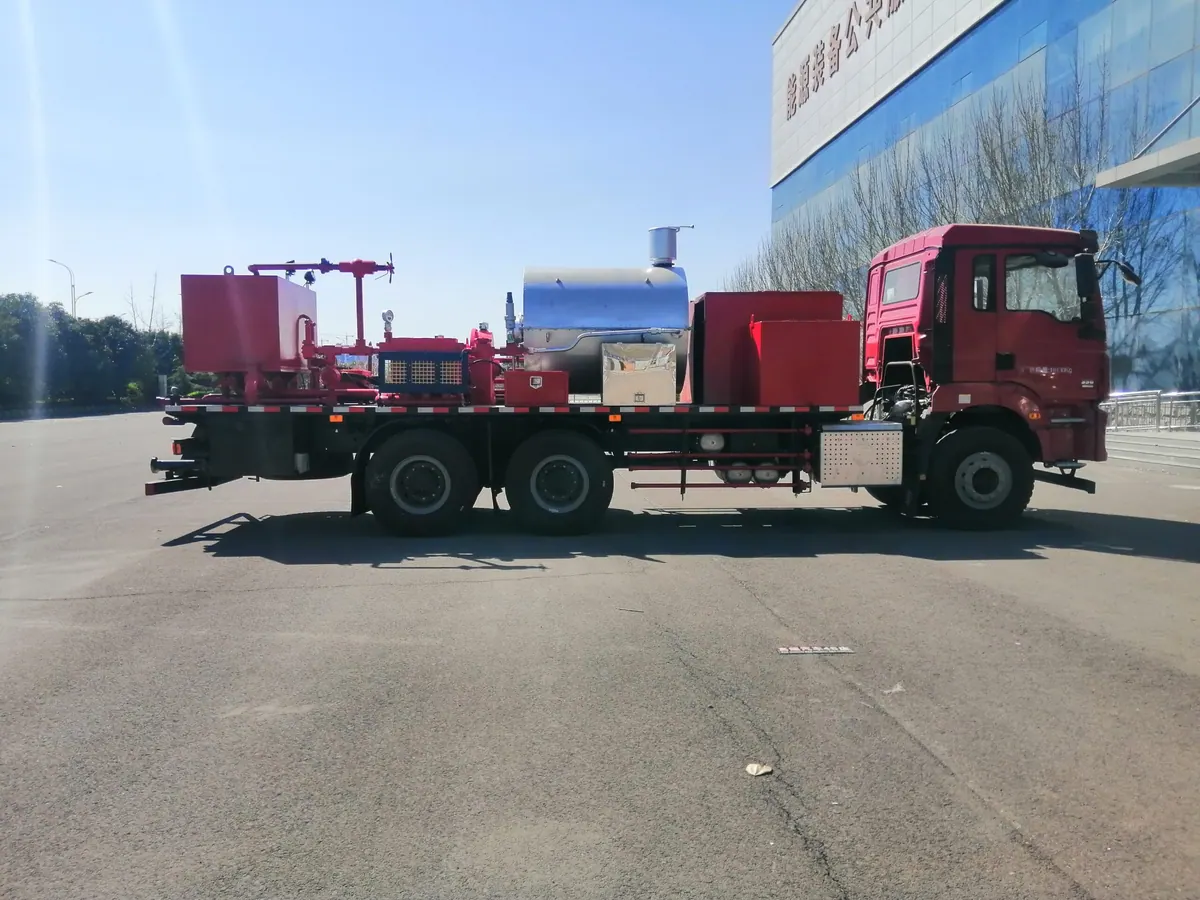
Define the question each record must answer
Link the requested data to the accepted heated circulation case and equipment boundary. Identify which pressure, rate, temperature and other relevant observations support that question. Do not request every available signal without a purpose, or assume a screenshot can establish the full duty. The acceptance plan should explain what evidence is needed to assess the purchased function and which site treatment outcomes remain outside the factory record.
Require clear time and unit conventions
Ask the supplier to identify the time basis, relevant sampling or recording method and units for the agreed measurements. Values intended to demonstrate one simultaneous duty need a usable relationship to one another. Separate peaks taken at different moments cannot be combined into a complete operating case. Keep any data gaps, averaging or processing visible so the purchaser can distinguish original observations from later summaries prepared for the report.
Retain configuration and fluid context
Include the truck and relevant component identifiers, test-fluid information and accepted equipment arrangement with the records. Note the measurement points and conditions that affect interpretation. A log detached from the tested assembly may be difficult to use after components are changed. Ask which difference between the test and intended treating-fluid service is supported by other evidence rather than silently interpreting a clean-water record as a full hot-fluid qualification.
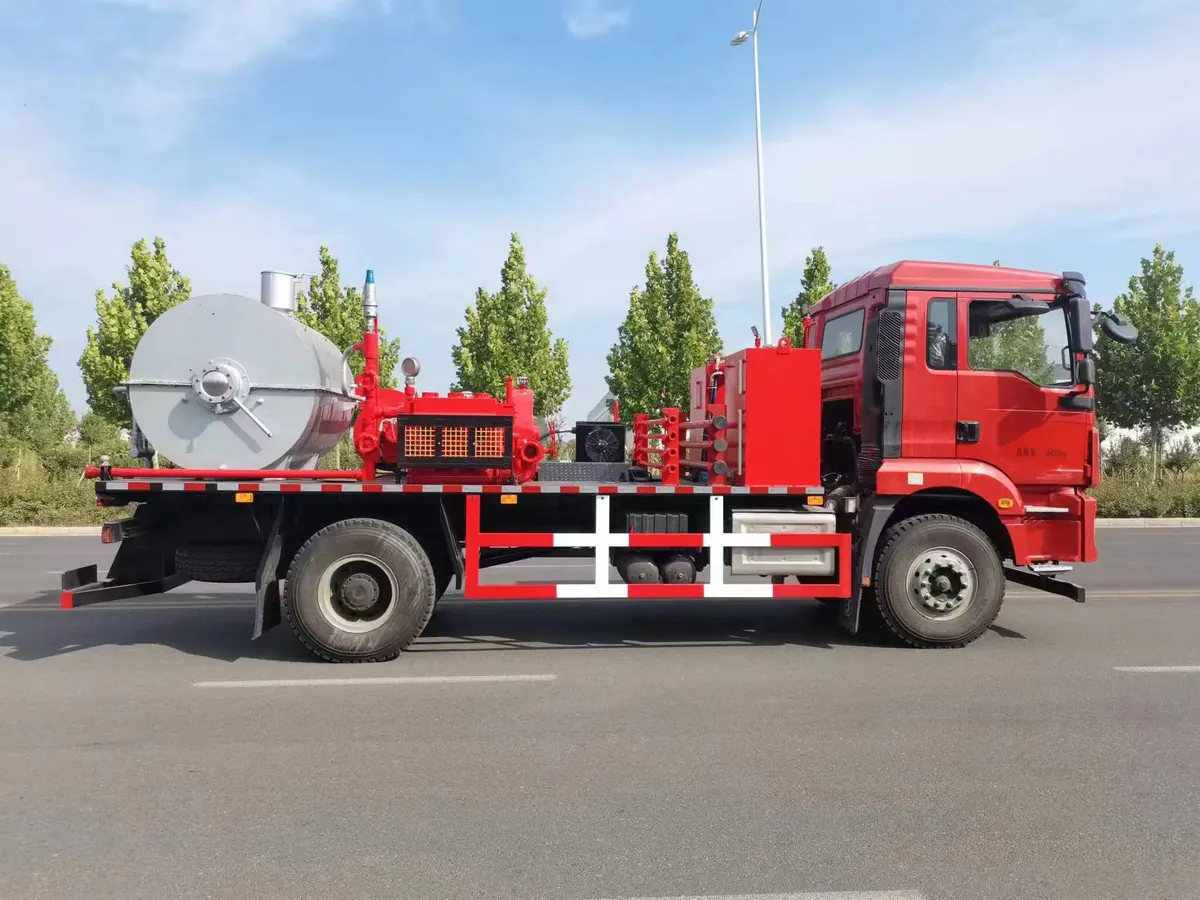
Ask for a usable delivery format
Agree the human-readable report and any relevant exported records needed for purchaser review and retention. Identify software or access dependencies before award. An onboard screen does not guarantee an accessible archive, and a proprietary file may require additional tools. Keep the request proportionate to the accepted scope; the goal is traceable evidence for the purchased truck functions, not an unsupported claim that the machine includes every possible remote-monitoring service.
Preserve exceptions and final acceptance decisions
Require deviations, interrupted runs and unresolved observations to remain visible with their disposition. A polished final graph should not hide a test condition excluded from the accepted case. Link the final decision to the reviewed report revision and configuration. Where a later modification affects the original evidence, obtain the appropriate reviewed update rather than continue distributing an earlier successful chart as proof of the changed equipment’s complete capability.
Use matched records to compare like-for-like offers
Ask bidders what evidence they can provide for the same accepted test questions, with the scope and cost of additional recording identified. A simple, well-contextualized record can be more useful than a large unexplained data export. Keep measured results, calculated interpretations and contractual acceptance criteria distinguishable. This supports a purchasing decision without inventing sampling frequencies, promising continuous remote connectivity or using factory data to guarantee field cleaning. The final package should allow the responsible reviewer to understand what was tested, under which conditions and for which delivered configuration.
Put these items side by side in the bid review
| Purchase item | Question to resolve | Evidence to request |
|---|---|---|
| Purpose | Which accepted case does the data address? | Test question and boundary |
| Context | Can measurements be related in time and units? | Explained recording conventions |
| Traceability | Which assembly and fluid were tested? | Identifiers and condition record |
Suggested wording for the quotation request
Propose the acceptance data package for the attached well-flushing truck duty cases. Identify measurements, locations, units, time conventions and relevant recording limitations. Include truck and component identifiers, fluid conditions, data gaps and test deviations. Supply an agreed readable report and usable exports where included, with factory capability distinguished from site treatment results and any later configuration change linked to the appropriate evidence review.
Select the well flushing truck against an identified deposit, compatible treating fluid and an accepted circulation assignment. Review heater duty, delivered temperature, paired pump conditions, storage and the external return route together. Maximum component ratings and a wax appearance temperature do not establish a universal treatment recipe or prove cleaning effectiveness. Confirm the actual included equipment, measurement evidence and supplier responsibilities. Retain fluid information, configuration documents, operating limits and acceptance records with the purchase. Work at a well or flowline requires the responsible engineers, competent personnel and approved equipment and site procedures.
For the wider equipment scope, consult the Well Flushing Truck: FAT Checklist. Use the RFQ checklist to collect the supporting documents before requesting a configuration-specific quotation.
Buyer questions
Can separate pressure, rate and temperature peaks prove one duty?
No. The record must support the claimed simultaneous condition.
Does an onboard display guarantee exportable test records?
No. State the supplied recording and delivery functions explicitly.
Background and supplier contact
OSHA oil and gas extraction guidance offers related background, not certification of the equipment in a quotation. Applicability must be checked for the project and destination.
Explore the well flushing truck, browse all technical resources, or visit Vance Petroleum for company information. Request a well-flushing package proposal with deposit information, treating-fluid properties, circulation duty and the return arrangement.