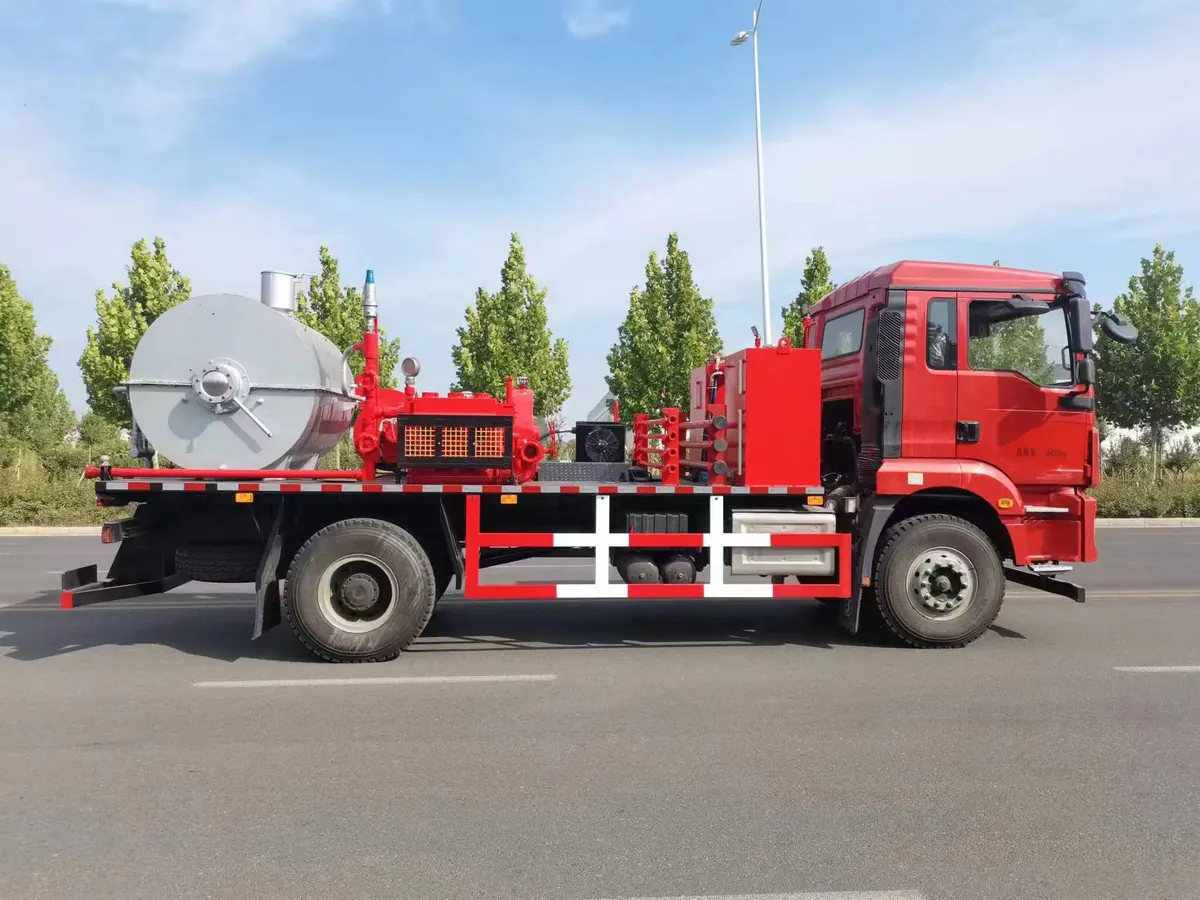
Identify the maintenance tasks that drive access
Ask the manufacturer to identify relevant routine inspection and component replacement tasks for the supplied heater, pump and auxiliary equipment. Link each task to the actual installed item and document reference. A broad statement that the truck is easy to maintain is not measurable. The buyer should establish which service functions the layout supports without inventing a universal inspection interval or asking personnel to follow an unreviewed maintenance sequence.
Request usable envelopes on the layout drawing
Have the supplier show access and removal space relevant to the accepted equipment. Include panel or door movement and any items that must be removed first where appropriate. An exterior photograph can conceal these relationships. The review should distinguish a component that is visible from one that can actually be reached and serviced through approved methods, with external space requirements kept explicit rather than assumed to fit every wellsite.
Compare supported removal and handling provisions
Ask which mounting, access or handling provisions are supplied for significant service items and what external support is needed. A lifting point or access panel should not be inferred from the truck’s appearance. Keep the manufacturer’s identified provisions and limitations separate from purchaser-supplied facilities. Procurement can define responsibilities and documents without prescribing a lift, approving improvised handling or assuming that ordinary onboard tools are sufficient for every heavy component replacement.
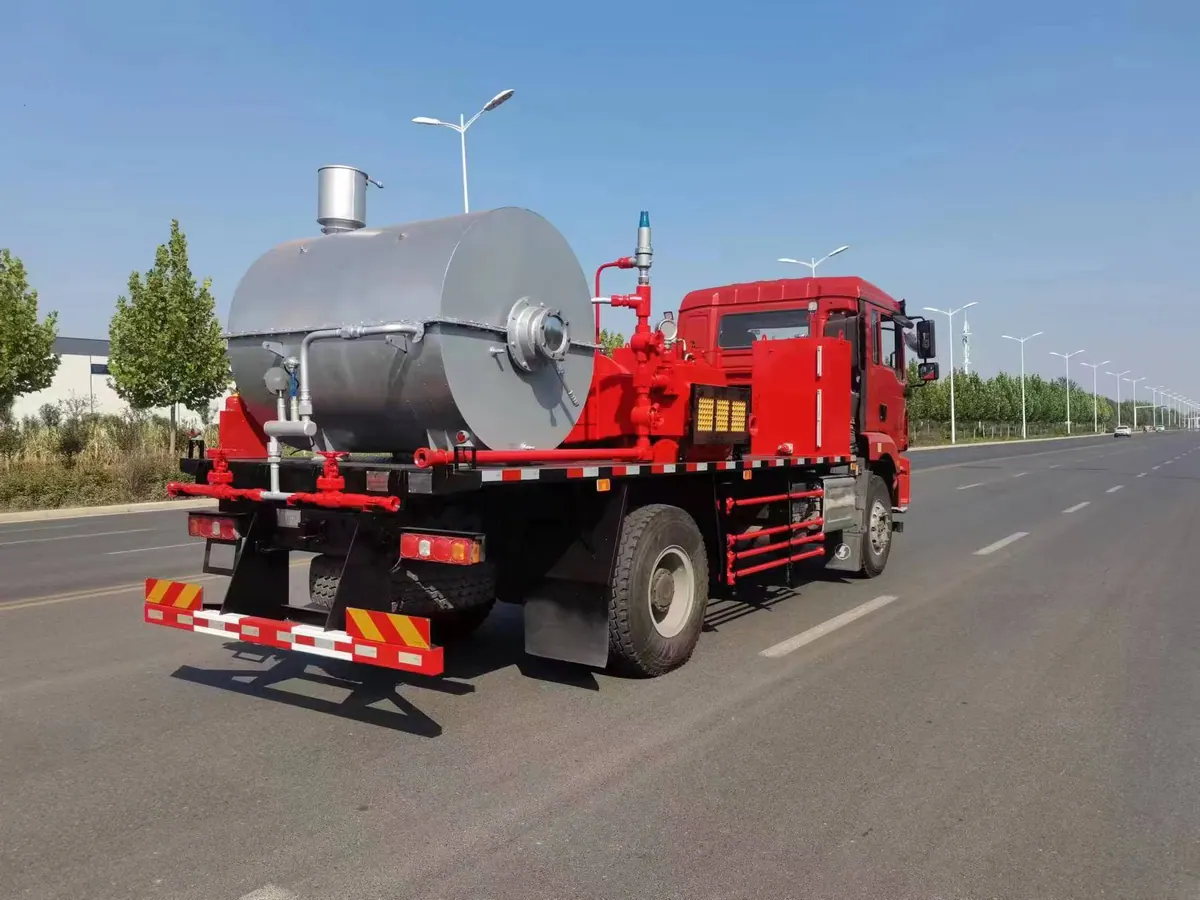
Review the effect of added options
Have the layout reassessed when storage, insulation, guarding or another auxiliary package is added. An option may obstruct a previously accessible pump component or change the space required for heater service. Ask for revised drawings showing the accepted configuration rather than relying on a base-model illustration. Where access depends on temporary removal of another assembly, request that dependency and its support requirements in the handover and maintenance scope.
Close the serviceability review at handover
Include relevant layout verification and final equipment drawings in the acceptance documents. Compare the delivered assembly with the service envelopes accepted during engineering review. Record differences for resolution and retain the manufacturer maintenance information with the equipment identifiers. Service access is one part of a practical ownership package; it does not establish a universal repair time, guaranteed availability of field technicians or permission to maintain hot or pressurized equipment.
Evaluate downtime exposure without promising a fixed repair duration
Ask bidders to identify which common service tasks are supported by the installed layout and which require external facilities or significant disassembly. Use that information alongside spare-parts and local-support planning. A lower initial price can leave more service work with the purchaser, but compare the actual provisions rather than assume that every compact layout is inferior. Keep all maintenance dependent on approved isolation, competent personnel and relevant documents. The accepted order should deliver usable access evidence and support boundaries, not a generic promise that every repair can be completed at the well.
Put these items side by side in the bid review
| Purchase item | Question to resolve | Evidence to request |
|---|---|---|
| Tasks | Which service work drives the arrangement? | Manufacturer maintenance scope |
| Envelope | What space does that work require? | Configuration-specific access drawing |
| Support | What handling or facilities remain external? | Accepted service responsibility schedule |
Suggested wording for the quotation request
Review the proposed well-flushing truck layout against the manufacturer-identified service tasks for the heater, pump and auxiliaries. Show relevant access and removal envelopes, obstructing options and supplied handling provisions. State external facilities and support requirements separately. Include final configuration drawings and verification of accepted access features at handover without assuming universal field repair times or unrestricted maintenance conditions.
Select the well flushing truck against an identified deposit, compatible treating fluid and an accepted circulation assignment. Review heater duty, delivered temperature, paired pump conditions, storage and the external return route together. Maximum component ratings and a wax appearance temperature do not establish a universal treatment recipe or prove cleaning effectiveness. Confirm the actual included equipment, measurement evidence and supplier responsibilities. Retain fluid information, configuration documents, operating limits and acceptance records with the purchase. Work at a well or flowline requires the responsible engineers, competent personnel and approved equipment and site procedures.
For the wider equipment scope, consult the Well Flushing Truck: Maintenance Guide. Use the RFQ checklist to collect the supporting documents before requesting a configuration-specific quotation.
Buyer questions
Does a visible pump guarantee usable maintenance access?
No. Check the actual service envelope and the manufacturer-supported method and facilities.
Should an added option trigger another layout review?
Yes where it affects access, removal space or supporting equipment.
Background and supplier contact
OSHA oil and gas extraction guidance offers related background, not certification of the equipment in a quotation. Applicability must be checked for the project and destination.
Explore the well flushing truck, browse all technical resources, or visit Vance Petroleum for company information. Request a well-flushing package proposal with deposit information, treating-fluid properties, circulation duty and the return arrangement.