Define the working positions to be reviewed
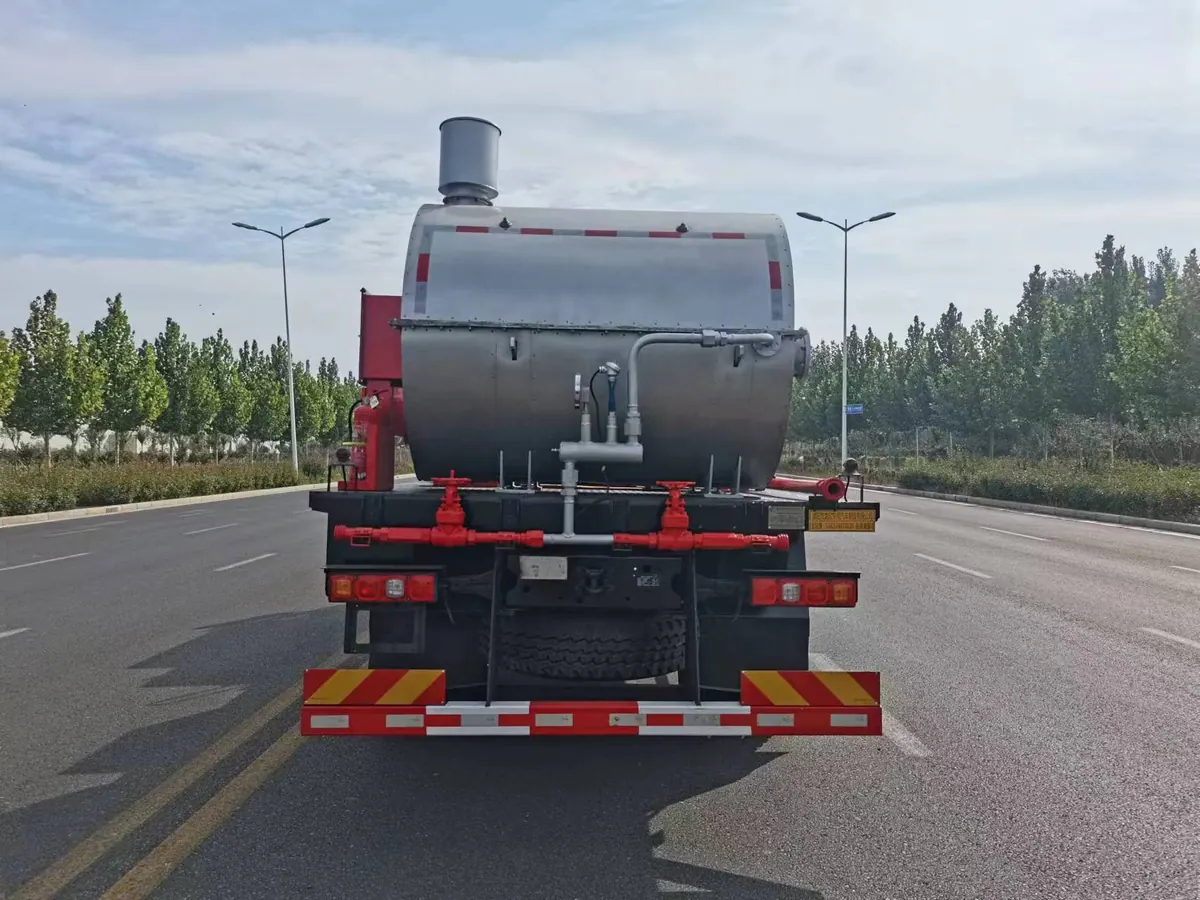
Have the supplier identify the intended control and inspection positions for the offered arrangement. Compare them with the project’s access and installation assumptions through competent review. A single truck photograph does not establish where personnel will work or what exposure conditions apply. The quotation should make the proposed layout and relevant operating cases visible rather than claim that every possible location around the vehicle is equivalent.
Identify heat sources and supplied provisions
Request information on relevant heater, pipe and other hot-equipment locations, together with the guarding or insulation actually included. Distinguish a reference design feature from the final installed scope. Insulation provided for process heat retention may not answer every personnel-protection question. Ask the responsible providers to identify the purpose and limitations of the proposed provisions without inventing safe-touch temperatures or approving direct contact with heated surfaces.
Ask what any acoustic value describes
Where a noise value is offered, request its operating case, measurement basis, location and configuration. An engine statement may not represent the complete heated pumping package. Avoid comparing unlike figures or assuming an enclosure guarantees a destination exposure outcome. The buyer needs information suitable for the competent site assessment, with unclear values retained as qualifications rather than converted into an unsupported promise of quiet operation under all duties.
Review changes across access and cooling needs
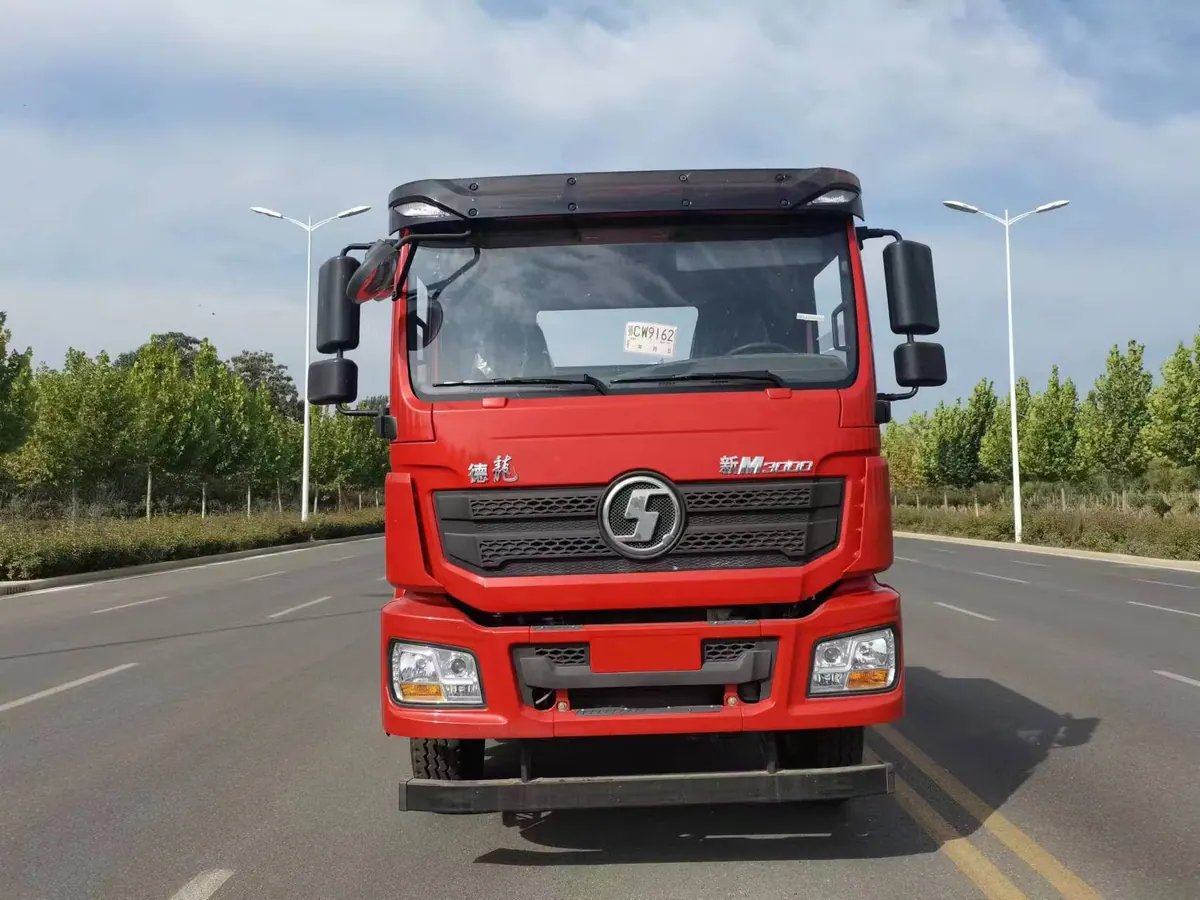
Have the relevant supplier assess how guarding, enclosures or layout changes interact with service access, equipment cooling and the accepted operating arrangement. A requested barrier should not be treated as a simple cosmetic addition. Keep the resulting equipment response and limitations in the quotation. Procurement should establish the supported design and responsibility boundary, not instruct a field team to install an improvised cover or bypass an access or protective function.
Agree evidence and external site duties
Specify the relevant drawings, component information and verification records to be delivered for the accepted package. Identify what remains for the purchaser’s competent installation and occupational review, including the actual site arrangement. A factory equipment record supports a defined question, not universal approval of every field exposure. Keep final documents consistent with the supplied enclosures, guards and equipment locations so later changes can be evaluated against the actual delivered truck.
Keep process capacity and the personnel environment distinct
A heater capable of the required useful duty still needs an appropriate installation and operating context. Compare the supplied protective provisions and evidence alongside output, access and maintenance requirements. Ask bidders to state which claims concern individual components and which concern the complete package. Do not award an undefined low-noise or fully insulated description as a complete site-safety commitment. The purchase should support competent assessment with an identified configuration and usable records, while site work remains governed by the actual conditions, approved procedures and applicable project requirements.
Put these items side by side in the bid review
| Purchase item | Question to resolve | Evidence to request |
|---|---|---|
| Layout | Where are the intended working positions? | Accepted arrangement drawing |
| Heat | Which provisions are actually supplied? | Identified guarding and insulation scope |
| Noise | What does the quoted value represent? | Condition-specific measurement basis |
Suggested wording for the quotation request
Provide the heat- and noise-related layout information for the proposed well-flushing truck at the attached service cases. Identify intended control positions, relevant hot equipment and supplied guarding or insulation. Explain the basis and coverage of any acoustic values. State access and cooling consequences of proposed changes, with configuration-specific verification documents and external site-assessment responsibilities clearly separated.
Select the well flushing truck against an identified deposit, compatible treating fluid and an accepted circulation assignment. Review heater duty, delivered temperature, paired pump conditions, storage and the external return route together. Maximum component ratings and a wax appearance temperature do not establish a universal treatment recipe or prove cleaning effectiveness. Confirm the actual included equipment, measurement evidence and supplier responsibilities. Retain fluid information, configuration documents, operating limits and acceptance records with the purchase. Work at a well or flowline requires the responsible engineers, competent personnel and approved equipment and site procedures.
For the wider equipment scope, consult the Well Flushing Truck: Safety Systems Guide. Use the RFQ checklist to collect the supporting documents before requesting a configuration-specific quotation.
Buyer questions
Does process insulation automatically establish personnel protection?
No. Review its actual purpose, coverage and limitations with the responsible provider.
Can an engine-only noise value represent the complete truck?
Not without an appropriate configuration and measurement basis.
Background and supplier contact
OSHA oil and gas extraction guidance offers related background, not certification of the equipment in a quotation. Applicability must be checked for the project and destination.
Explore the well flushing truck, browse all technical resources, or visit Vance Petroleum for company information. Request a well-flushing package proposal with deposit information, treating-fluid properties, circulation duty and the return arrangement.