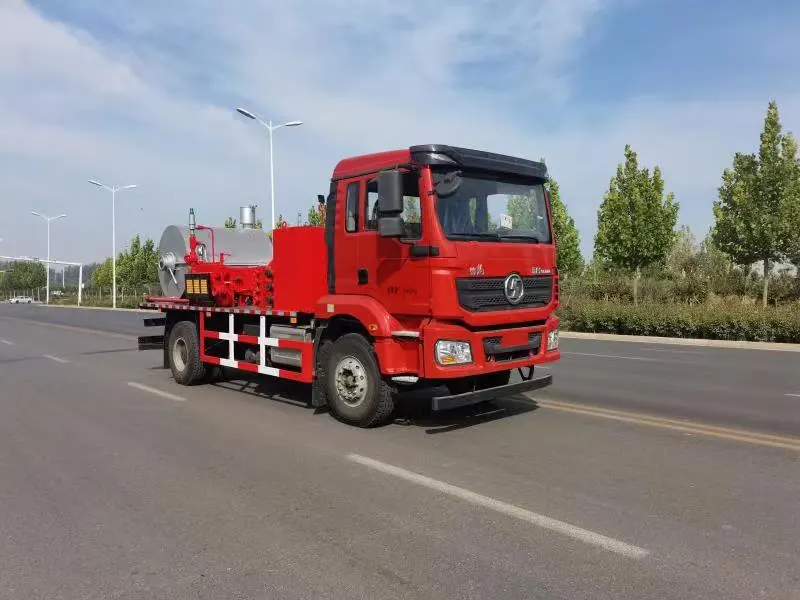
Ask for the configured vehicle mass basis
Request the proposed chassis, heater, pump, storage and included auxiliary equipment schedule alongside the mass information. State which items are installed and which are carried separately. A bare chassis capacity cannot establish the usable fluid load of a completed truck. Keep preliminary estimates distinguishable from later verified values so an early brochure figure does not continue to define the order after heavier options have been selected.
Identify the contents for each transport case
Describe the intended treating-fluid and fuel inventories and any other accepted carried items for competent vehicle review. Distinguish operating contents at a location from the contents approved for road transport. Liquid density matters to the mass basis and should not be replaced by volume alone. The purchasing schedule should identify the actual cases requiring assessment without promising that the full nominal tank capacity may always be transported on every route.
Review distribution rather than total mass alone
Ask the provider for the relevant loaded axle information and configuration assumptions. A total mass within one headline vehicle figure does not establish acceptable distribution among the axles. Heater position, tank contents and added equipment can affect the result. Have the competent vehicle and destination reviewers assess the proposed arrangement instead of selecting a wheelbase or relocating equipment through an informal buyer assumption unsupported by the completed-vehicle design.
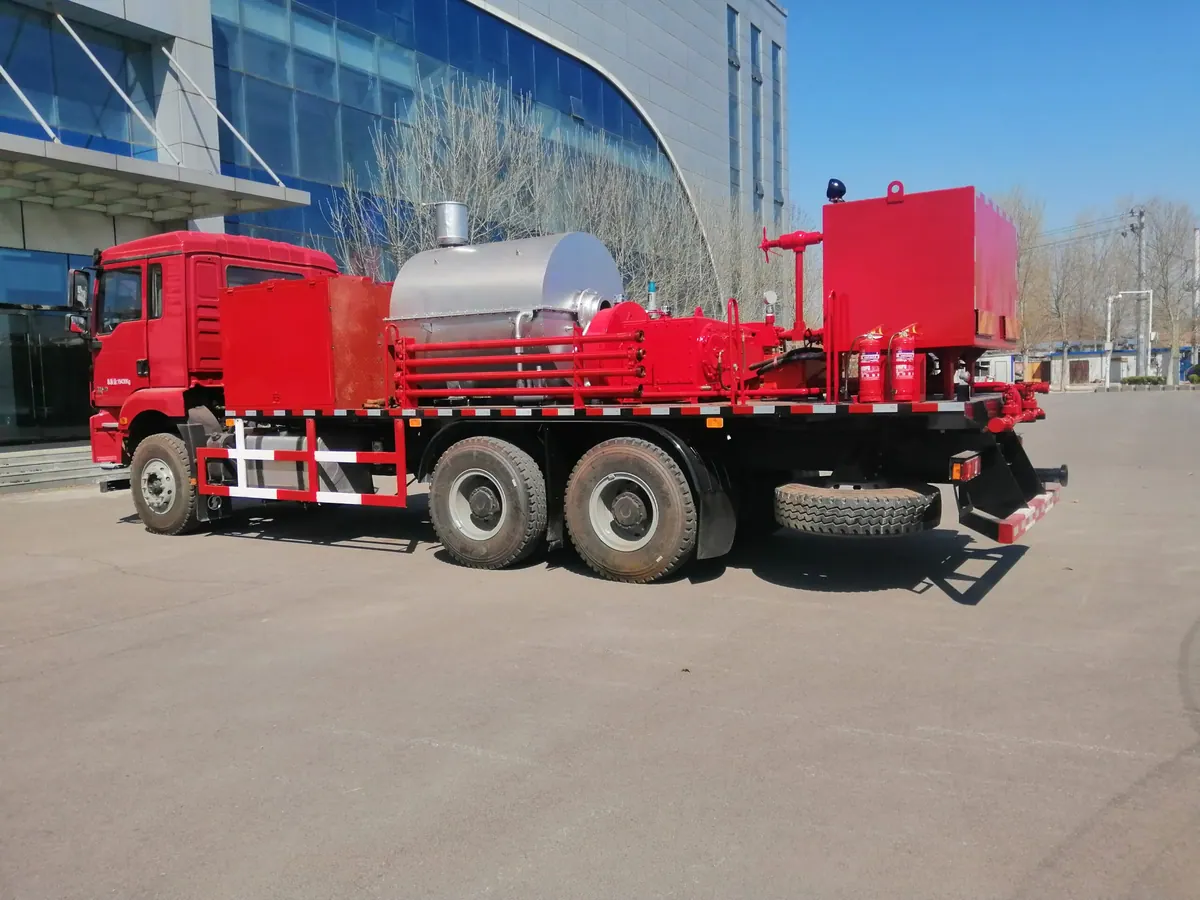
Connect options to the vehicle response
Require mass and layout consequences for additional storage, power equipment, access provisions or other accepted options. An option should not be treated as weightless because its commercial price is listed separately. Ask which changes require another vehicle assessment and retain the revised drawing and schedule. Where a function must move to an external support package, include its transport and interface responsibilities in the overall procurement comparison.
Retain destination and delivery evidence
Identify the vehicle documents and relevant verification agreed for the delivered configuration. The purchaser should separately confirm destination registration, route and transport requirements through the responsible parties. A general export statement is not proof of unrestricted road access. Compare the delivered equipment and contents with the accepted vehicle basis at handover, keeping any later additions or different fluid inventories subject to the same competent change review.
Compare usable supply scope before ranking tank capacity
A larger nominal tank can look attractive while leaving less allowance for other equipment or changing the accepted transport arrangement. Ask bidders to explain the mass and axle basis of the actual package, with contents and optional items stated. Keep road transport approval separate from fluid capacity at a stationary work location. This gives procurement a defensible comparison without inventing legal limits, approving an overloaded vehicle or promising all-route access. The final purchase should identify the equipment and verification needed for the destination review, not substitute a catalogue chassis rating for it.
Put these items side by side in the bid review
| Purchase item | Question to resolve | Evidence to request |
|---|---|---|
| Configuration | Which equipment is included in the mass? | Identified completed-truck schedule |
| Contents | What is carried in each case? | Fluid, fuel and option basis |
| Distribution | What supports the loaded vehicle assessment? | Axle information and destination review |
Suggested wording for the quotation request
Provide mass and axle-distribution information for the complete proposed well-flushing truck and the attached content cases. Identify the chassis, installed options, treating-fluid density, fuel and separately carried items. Distinguish preliminary estimates from the verification proposed for the delivered vehicle. State any transport restrictions or external support requirements and provide the documents needed for competent destination and route review.
Select the well flushing truck against an identified deposit, compatible treating fluid and an accepted circulation assignment. Review heater duty, delivered temperature, paired pump conditions, storage and the external return route together. Maximum component ratings and a wax appearance temperature do not establish a universal treatment recipe or prove cleaning effectiveness. Confirm the actual included equipment, measurement evidence and supplier responsibilities. Retain fluid information, configuration documents, operating limits and acceptance records with the purchase. Work at a well or flowline requires the responsible engineers, competent personnel and approved equipment and site procedures.
For the wider equipment scope, consult the Well Flushing Truck: Configuration Guide. Use the RFQ checklist to collect the supporting documents before requesting a configuration-specific quotation.
Buyer questions
Does nominal tank volume establish legal transport capacity?
No. Review the actual vehicle, contents, distribution and destination requirements.
Can an added generator leave the original load assessment unchanged?
Do not assume so. Request the configuration-specific mass and layout consequences.
Background and supplier contact
ICC Incoterms® resources offers related background, not certification of the equipment in a quotation. Applicability must be checked for the project and destination.
Explore the well flushing truck, browse all technical resources, or visit Vance Petroleum for company information. Request a well-flushing package proposal with deposit information, treating-fluid properties, circulation duty and the return arrangement.