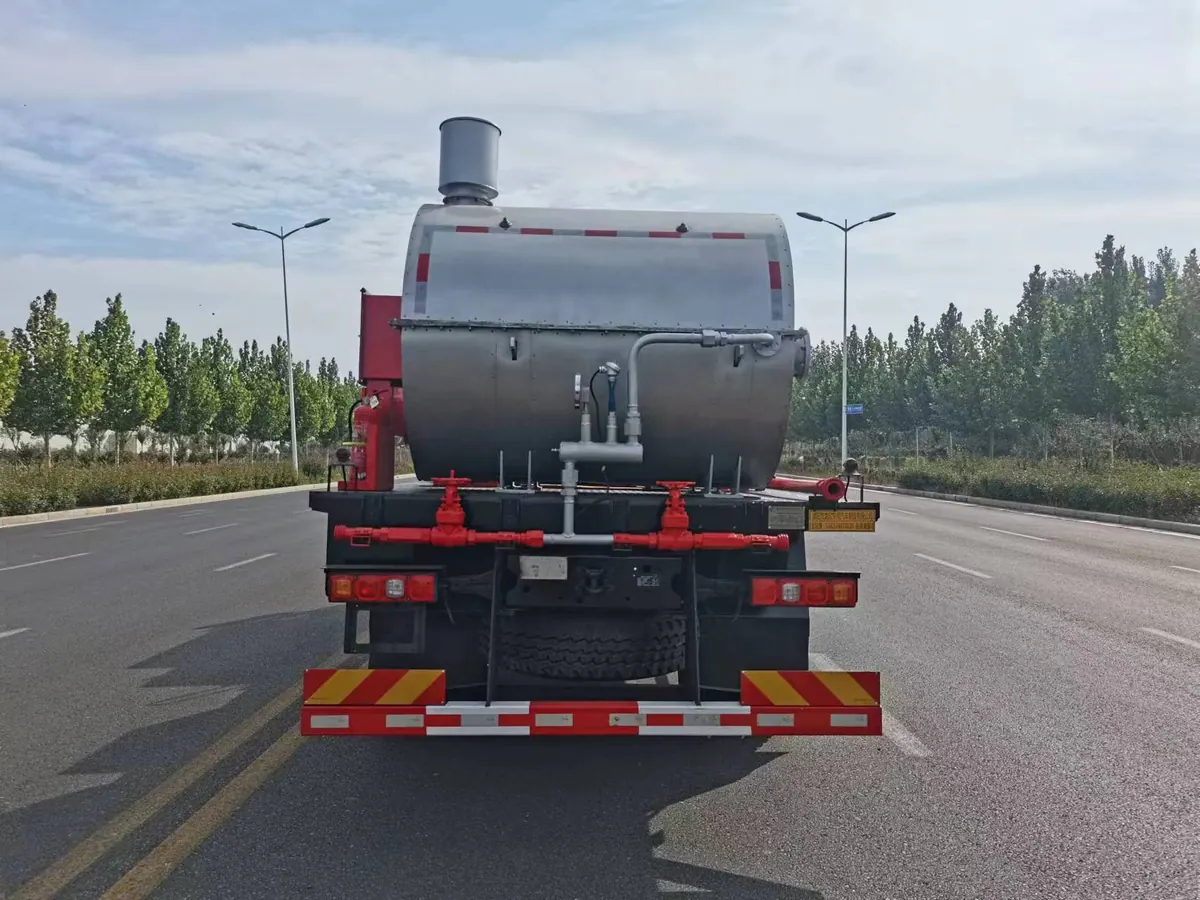
Submit a complete environmental basis
Provide site elevation, relevant ambient temperature range and other environmental information requested by the equipment providers. Distinguish the operating location from transport and storage conditions. A cold mountain site and a warm low-elevation yard do not describe the same assignment. Keep the data source and uncertainty in the enquiry, particularly when the proposed fleet will move among locations with materially different environmental requirements.
Ask for burner and useful-output confirmation
Have the supplier state how the offered combustion arrangement supports the required useful heat at the accepted location and fuel conditions. Request any relevant restrictions or changed components. Do not apply a universal altitude correction or treat a reference burner-input figure as delivered fluid duty. The response should identify the actual configuration and evidence, with unresolved destination effects visible before the equipment is ranked by nominal heater capacity.
Review the driver and auxiliary package
Request the relevant provider assessment for the chassis or independent engine, power transmission and cooling arrangement. The heater response alone does not establish that the complete truck supports its heated pumping case. Include auxiliary loads and the intended work duration where they affect selection. If different providers support different parts of the package, ask the truck supplier to reconcile the responses rather than leave the purchaser with unrelated component assurances.
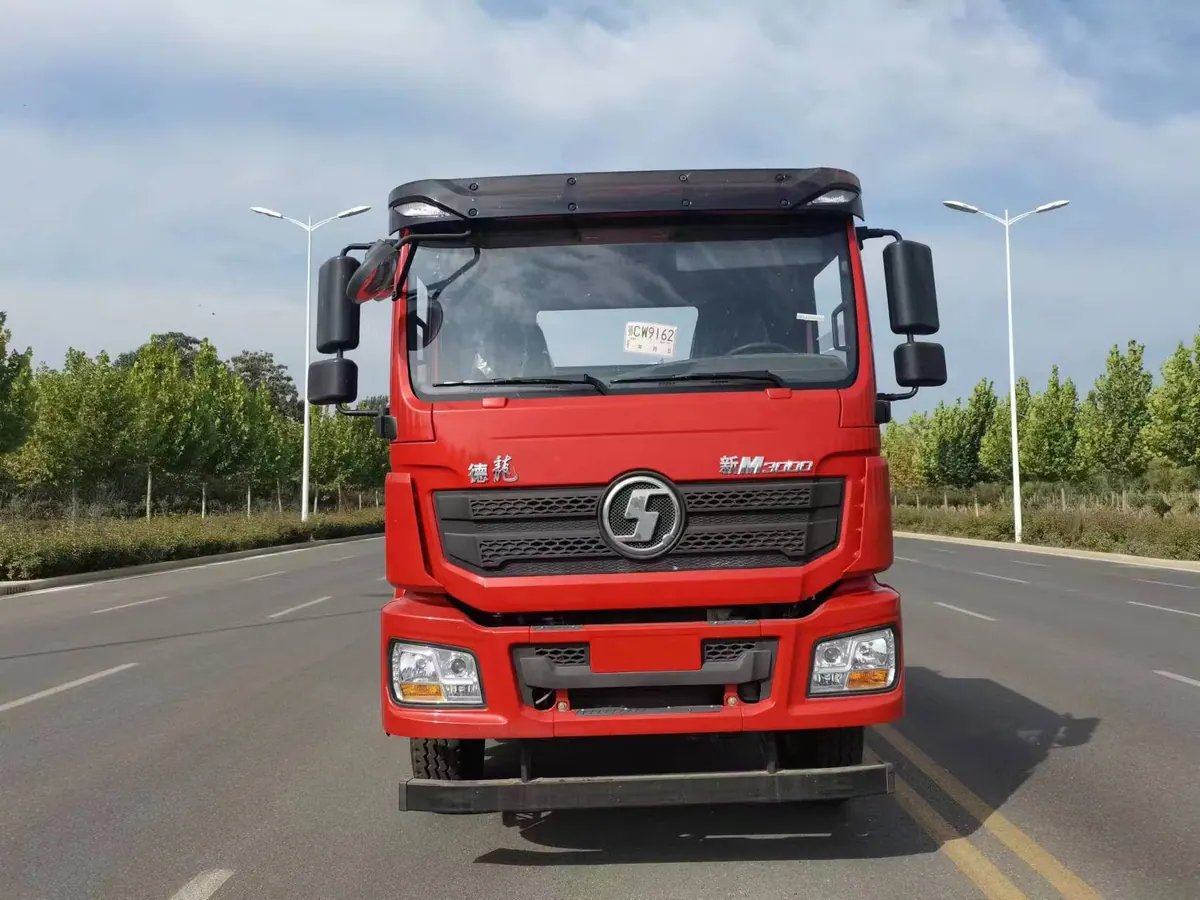
Distinguish environmental suitability from winter equipment
A winter package may address selected cold-weather requirements without resolving elevation-dependent equipment performance. Ask which features are included and which environmental cases they support. Insulation, access arrangements and supported materials need their own identified scope. Avoid treating a cold-climate label as permission to assume full thermal output at any elevation or to extend a component statement to the entire truck without relevant review.
Agree how destination suitability will be evidenced
Discuss which performance information can be demonstrated at the factory and which relies on configuration-specific manufacturer assessment or later agreed site verification. State the differences between the test location and destination. A factory demonstration at another elevation can still be useful, but its coverage must be clear. Retain the accepted environmental basis and limitations in the handover documents so later site changes do not silently invalidate the original selection.
Compare delivered capability at one stated location
Have bidders answer the same environmental and useful-duty cases, separating base equipment, required options and external dependencies. Ask whether the offer supports the requested simultaneous heating and circulation assignment at that location or only provides a preliminary reference. Document any changed acceptance scope and project information still needed. This allows a purchasing decision without inventing an altitude factor, prescribing combustion adjustments or promising a universal mountain-field rating. Actual setup and operation remain subject to competent personnel, the accepted configuration and manufacturer instructions for the project.
Put these items side by side in the bid review
| Purchase item | Question to resolve | Evidence to request |
|---|---|---|
| Environment | Which elevation and ambient case applies? | Controlled destination basis |
| Capability | What useful heated duty is supported there? | Configuration-specific response |
| Evidence | How does factory evidence relate to the site? | Reviewed verification and limitation schedule |
Suggested wording for the quotation request
Assess the well-flushing truck at the attached site elevation, ambient conditions, fuel supply and heated circulation cases. Identify the supported burner output, driver and auxiliary capability for the complete proposed configuration. State restrictions, required options and the basis of destination suitability. Separate factory demonstration coverage from site verification needs and provide the relevant provider evidence without relying on an unstated reference elevation.
Select the well flushing truck against an identified deposit, compatible treating fluid and an accepted circulation assignment. Review heater duty, delivered temperature, paired pump conditions, storage and the external return route together. Maximum component ratings and a wax appearance temperature do not establish a universal treatment recipe or prove cleaning effectiveness. Confirm the actual included equipment, measurement evidence and supplier responsibilities. Retain fluid information, configuration documents, operating limits and acceptance records with the purchase. Work at a well or flowline requires the responsible engineers, competent personnel and approved equipment and site procedures.
For the wider equipment scope, consult the Well Flushing Truck: Remote Field Guide. Use the RFQ checklist to collect the supporting documents before requesting a configuration-specific quotation.
Buyer questions
Does a winter package automatically establish high-altitude output?
No. Cold-weather functions and environmental performance need their own accepted scope.
Should buyers use one generic altitude reduction percentage?
No. Obtain an assessment for the actual equipment and operating environment.
Background and supplier contact
OSHA oil and gas extraction guidance offers related background, not certification of the equipment in a quotation. Applicability must be checked for the project and destination.
Explore the well flushing truck, browse all technical resources, or visit Vance Petroleum for company information. Request a well-flushing package proposal with deposit information, treating-fluid properties, circulation duty and the return arrangement.