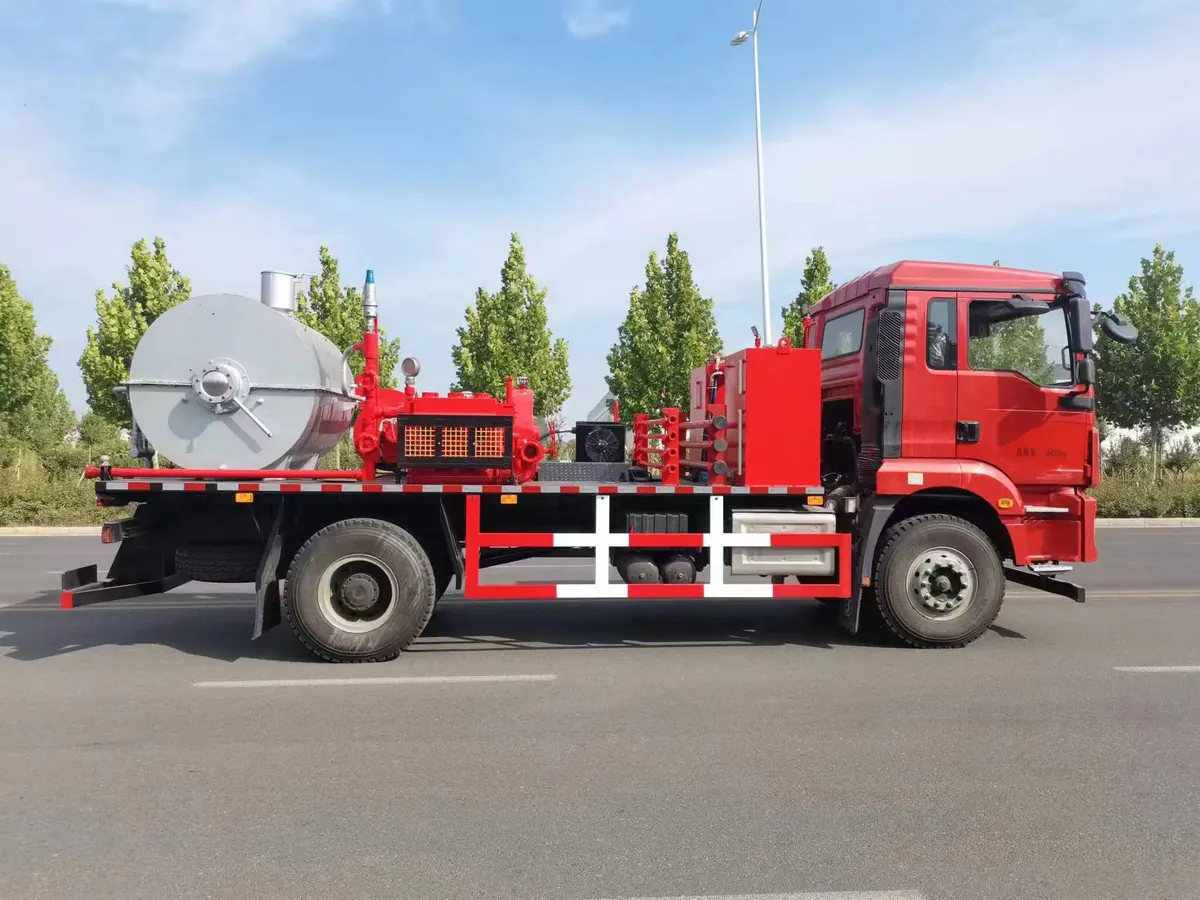
Keep the two liquid functions separate
Name the fluid circulated for the accepted well treatment separately from the energy source used by the burner. They serve different functions and need their own suitability review. A truck described as hot oil does not automatically burn the same liquid that it circulates. The quotation should identify both supply bases explicitly, with any shared storage proposal subject to its own reviewed equipment and responsibility schedule.
Describe the available fuel rather than its trade name alone
Provide the fuel specification and available quality information requested by the burner provider. Identify the supply source and relevant variation between deliveries. A familiar commercial name may not answer every equipment requirement. Ask the supplier to state its accepted fuel basis and unresolved information without inventing a universal quality threshold, promising unrestricted fuel flexibility or assuming that a locally available substitute can be used without another technical assessment.
Identify conditioning and delivery equipment
Have the bidder list the supplied fuel storage, transfer, filtration or other conditioning functions actually needed for its proposal. Where a function is external, identify the required interface and responsible party. A burner package quotation may not include the whole route from bulk site storage. Compare offers at the same boundary so one supplier’s included transfer arrangement is not incorrectly compared with another supplier’s burner-only supply price.
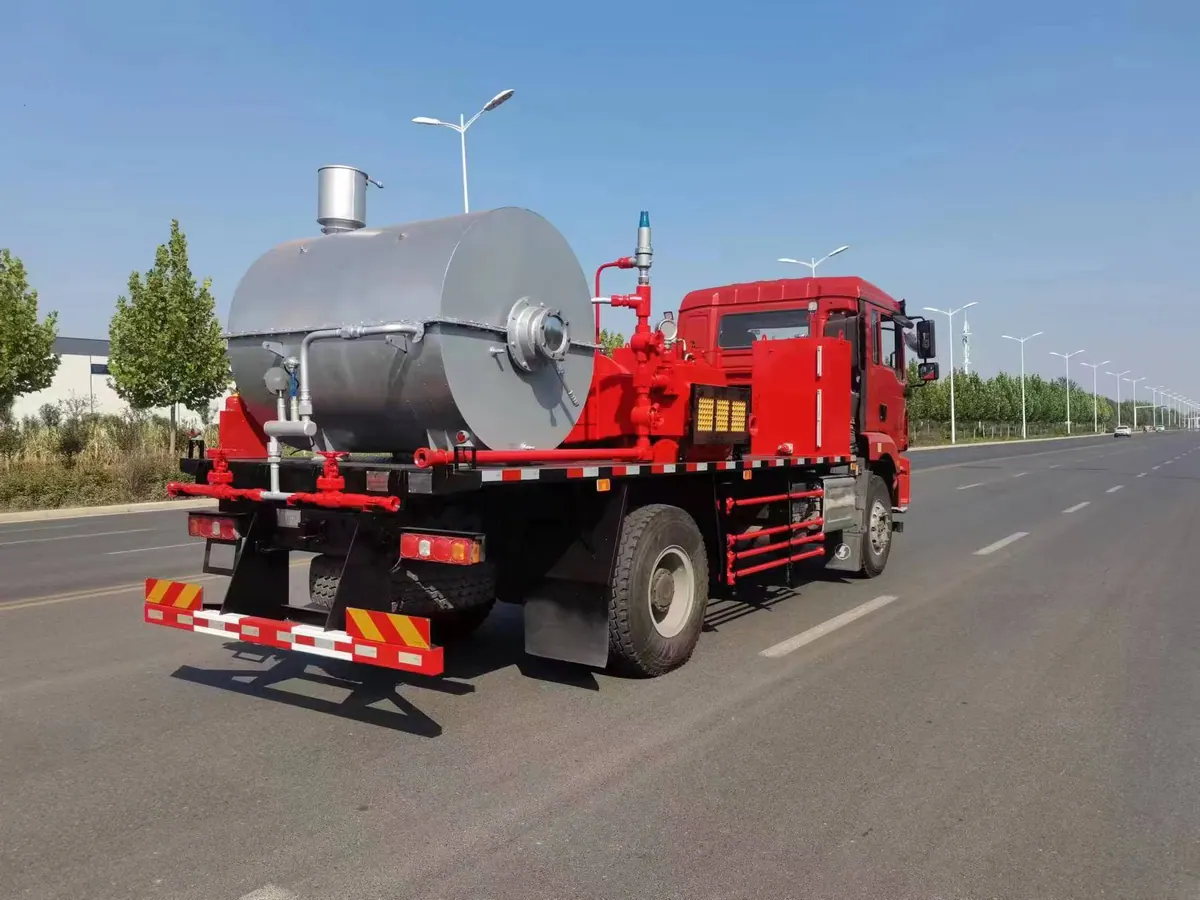
Make alternative fuel capability an identified option
If another fuel is considered, request a separate configuration response covering relevant components, connections, control functions and verification. A dual-fuel description should not imply that switching is unrestricted or that every supply condition is accepted. Keep approved fuel choices and conversion responsibilities in the order documents. Procurement should establish what is supplied and supported, leaving actual fuel handling and operation to competent personnel and approved equipment instructions.
Align the supply basis with acceptance and handover
State which fuel will be available for the agreed factory demonstration and how that relates to the destination supply. Ask the provider to identify differences requiring further review. Retain the final fuel requirements, configuration identifiers and maintenance information with the handover package. A successful test on one controlled supply does not prove equivalent behavior with every field fuel or establish emissions compliance in every possible destination.
Compare the fuel interface before projecting operating cost
A credible running-cost estimate depends on the accepted fuel, useful heated duty and the actual supply boundary. Ask bidders whether quoted consumption includes relevant auxiliary demand and what assumptions support it. Include purchaser-supplied transfer or conditioning work in the commercial comparison where applicable. A low fuel-price assumption does not resolve equipment compatibility, and an available gas source does not automatically establish a complete burner connection. Keep project-specific fuel, environmental and site reviews separate from unsupported claims about universal low consumption or unrestricted remote-field operation.
Put these items side by side in the bid review
| Purchase item | Question to resolve | Evidence to request |
|---|---|---|
| Identity | Which fuel powers the offered burner? | Accepted fuel specification |
| Boundary | Who provides transfer and conditioning? | Supply and interface schedule |
| Alternatives | What changes for another fuel? | Identified option and verification scope |
Suggested wording for the quotation request
Specify the fuel interface for the proposed heated well-flushing truck using the attached supply information. Distinguish burner fuel from treating liquid. List accepted fuel conditions, supplied storage and conditioning equipment, external connection requirements and purchaser responsibilities. Price any alternative fuel configuration separately and identify its components and verification needs. State assumptions behind consumption estimates without promising compatibility with unspecified substitutes.
Select the well flushing truck against an identified deposit, compatible treating fluid and an accepted circulation assignment. Review heater duty, delivered temperature, paired pump conditions, storage and the external return route together. Maximum component ratings and a wax appearance temperature do not establish a universal treatment recipe or prove cleaning effectiveness. Confirm the actual included equipment, measurement evidence and supplier responsibilities. Retain fluid information, configuration documents, operating limits and acceptance records with the purchase. Work at a well or flowline requires the responsible engineers, competent personnel and approved equipment and site procedures.
For the wider equipment scope, consult the Well Flushing Truck: Utility Planning. Use the RFQ checklist to collect the supporting documents before requesting a configuration-specific quotation.
Buyer questions
Does hot oil identify the burner fuel?
No. Record the treatment liquid and combustion fuel as separate supply functions.
Does a dual-fuel label approve every available gas or liquid?
No. Require an identified configuration and accepted supply conditions for each option.
Background and supplier contact
OSHA oil and gas extraction guidance offers related background, not certification of the equipment in a quotation. Applicability must be checked for the project and destination.
Explore the well flushing truck, browse all technical resources, or visit Vance Petroleum for company information. Request a well-flushing package proposal with deposit information, treating-fluid properties, circulation duty and the return arrangement.