Inventory the actual electrically supplied functions
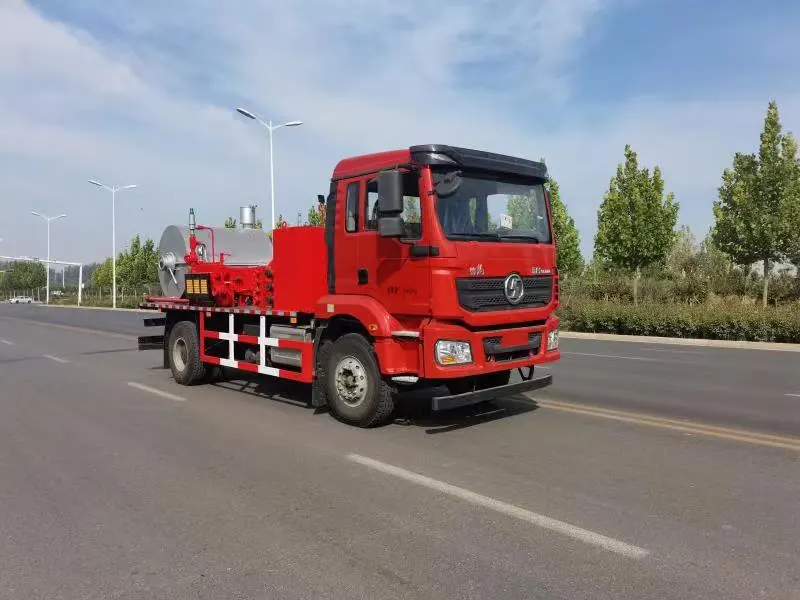
Ask the bidder to list the controls, instruments, burner accessories, lighting and other relevant electrical consumers in the proposed configuration. Identify which items are powered from the vehicle, a supplied auxiliary source or an external connection. Do not assume every truck uses the same arrangement. The purpose of the schedule is to describe the actual purchased functions, not to add accessories that are absent from the accepted offer.
Describe simultaneous service cases
Have the responsible provider identify the load cases needed for the proposed heated circulation assignment, including relevant coincident demand and supported starting conditions. A simple sum of unrelated nameplate values may not describe how the complete package is selected. Request the basis used for any supplied power equipment and state which external loads are excluded. Keep assumptions visible rather than treat a generator label as evidence for unlimited site utility supply.
Resolve the external connection boundary
Where site power is needed, obtain the required supply characteristics and connection information through competent project review. Assign cables, connection equipment and site installation responsibilities explicitly. A control-panel photograph does not establish the voltage, frequency or destination suitability of the delivered assembly. The purchase should identify what reaches the truck boundary and what the supplier provides inside it, without offering unreviewed instructions for electrical installation or temporary field wiring.
Review loss of auxiliary supply as a function
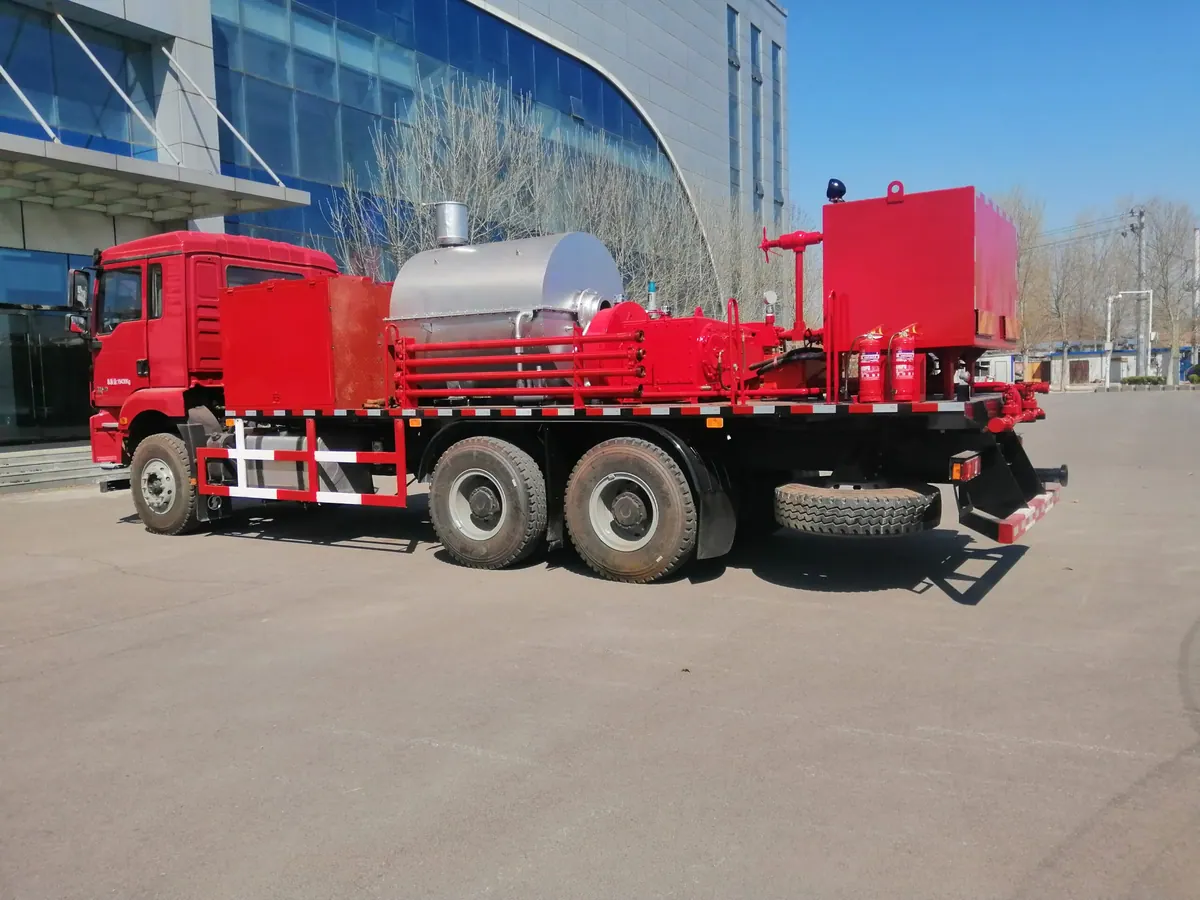
Request the intended response of affected equipment when the relevant power source is unavailable. Separate indication, alarm and automatic action descriptions, with verification appropriate to the actual design. Backup power should not be assumed to sustain heated pumping unless that function is specifically supplied and supported. Ask the provider to explain interfaces with the accepted control arrangement rather than requesting that protective behavior be defeated to preserve apparent continuity.
Retain usable drawings and identification
Include the final electrical schedule, relevant drawings, component identifiers and maintenance documents in the handover scope. State the agreed document language and revision responsibility. A generic schematic may not represent changes accepted during manufacture. Review consistency between the documents and delivered equipment so later parts replacement or site connection planning is based on the actual truck rather than an early quotation drawing for another power arrangement.
Compare complete utility scope rather than an independence claim
Require each supplier to identify the external electrical resources still needed for the accepted duty. A truck can have an engine-driven pump while depending on other power for selected functions; the exact arrangement must be confirmed. Price included power equipment and purchaser-supplied work on the same basis. Keep destination installation and hazardous-area reviews with the competent project team. Procurement should establish supply boundaries, supported loads and verification documents without claiming that an equipment nameplate approves every site connection or that backup controls guarantee uninterrupted treatment.
Put these items side by side in the bid review
| Purchase item | Question to resolve | Evidence to request |
|---|---|---|
| Loads | Which functions need electrical power? | Configuration-specific load schedule |
| Supply | What is onboard and what is external? | Accepted power and connection boundary |
| Continuity | What happens on loss of supply? | Function description and verification record |
Suggested wording for the quotation request
Provide the electrical load and supply schedule for the proposed heated well-flushing truck. Identify coincident duty cases, included power equipment and all external connection requirements. State the intended response to loss of relevant supply, with backup functions distinguished from sustained process power. Include final drawings and component identification in the handover scope and list purchaser installation responsibilities for competent destination review.
Select the well flushing truck against an identified deposit, compatible treating fluid and an accepted circulation assignment. Review heater duty, delivered temperature, paired pump conditions, storage and the external return route together. Maximum component ratings and a wax appearance temperature do not establish a universal treatment recipe or prove cleaning effectiveness. Confirm the actual included equipment, measurement evidence and supplier responsibilities. Retain fluid information, configuration documents, operating limits and acceptance records with the purchase. Work at a well or flowline requires the responsible engineers, competent personnel and approved equipment and site procedures.
For the wider equipment scope, consult the Well Flushing Truck: Utility Planning. Use the RFQ checklist to collect the supporting documents before requesting a configuration-specific quotation.
Buyer questions
Does an engine-driven pump prove the truck needs no site electricity?
No. Check the actual auxiliary and control supply arrangement.
Does backup control power necessarily keep the heater running?
No. Its supported functions must be identified in the accepted configuration.
Background and supplier contact
OSHA oil and gas extraction guidance offers related background, not certification of the equipment in a quotation. Applicability must be checked for the project and destination.
Explore the well flushing truck, browse all technical resources, or visit Vance Petroleum for company information. Request a well-flushing package proposal with deposit information, treating-fluid properties, circulation duty and the return arrangement.