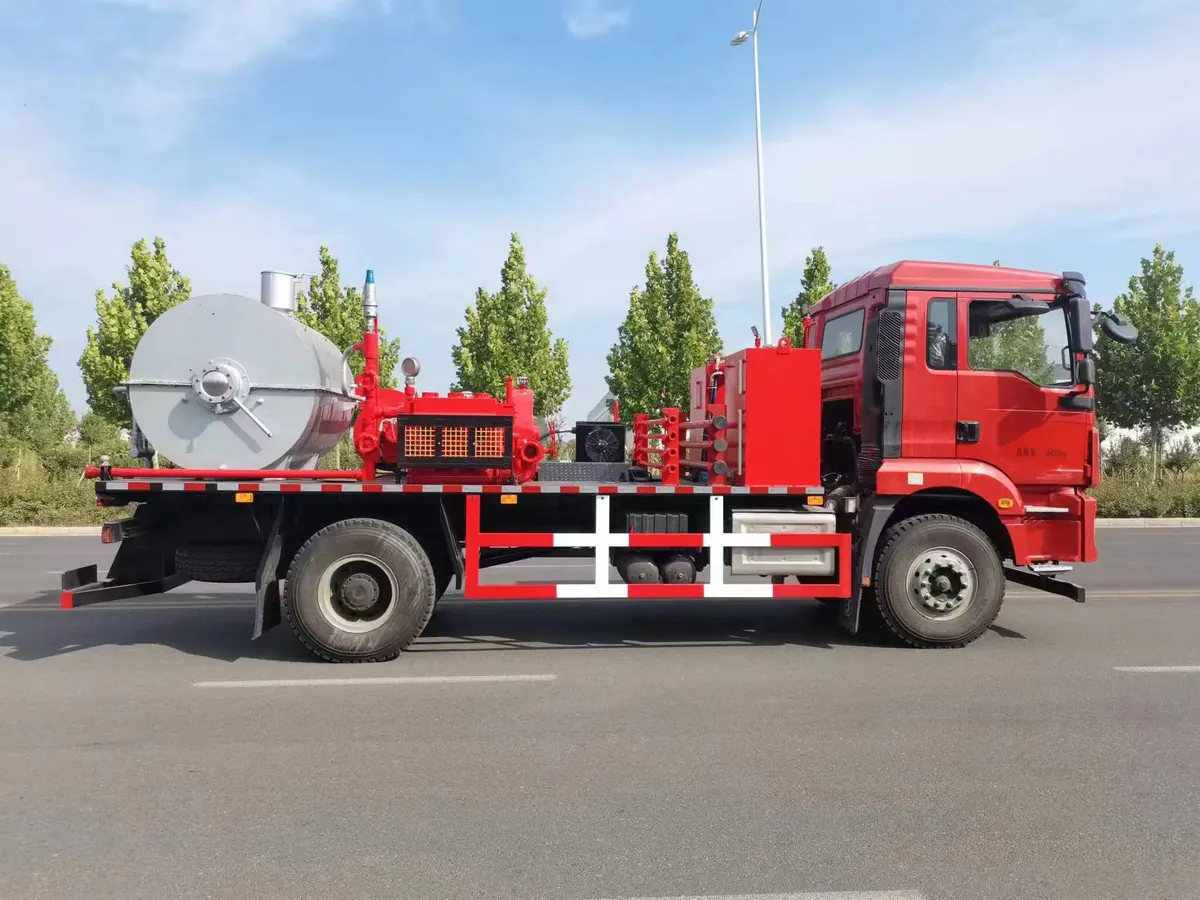
Describe the expected logistics and storage conditions
Provide the proposed transport mode, intermediate storage and relevant environmental information requested by the supplier. Identify the expected duration as a project assumption rather than a universal guarantee. The truck may encounter different conditions before its first accepted assignment. A generic export package description should not replace an assessment of the actual heater, pump, instruments and vehicle contents under the intended delivery and storage arrangements.
Request equipment-specific preservation responsibilities
Ask the relevant providers to state the supplied preservation measures and documents for the accepted assemblies. Identify external work and items that depend on purchaser action after delivery. Do not infer complete protection from exterior wrapping or a painted surface. The schedule should distinguish the vehicle, liquid-contact path and other equipment where their requirements differ, while leaving actual preparation methods to the manufacturer-supported plan and competent personnel.
Keep transport contents separate from operating readiness
Have the supplier identify the accepted shipment condition of tanks and relevant fluid systems, including any restrictions requiring responsible review. That condition may differ from the state needed for site commissioning. Procurement should establish information and obligations without prescribing drainage, chemical preservation or handling procedures for an unreviewed fluid. Retain the applicable transport and destination review responsibilities rather than assume that a road-ready appearance establishes acceptance for every shipping mode.
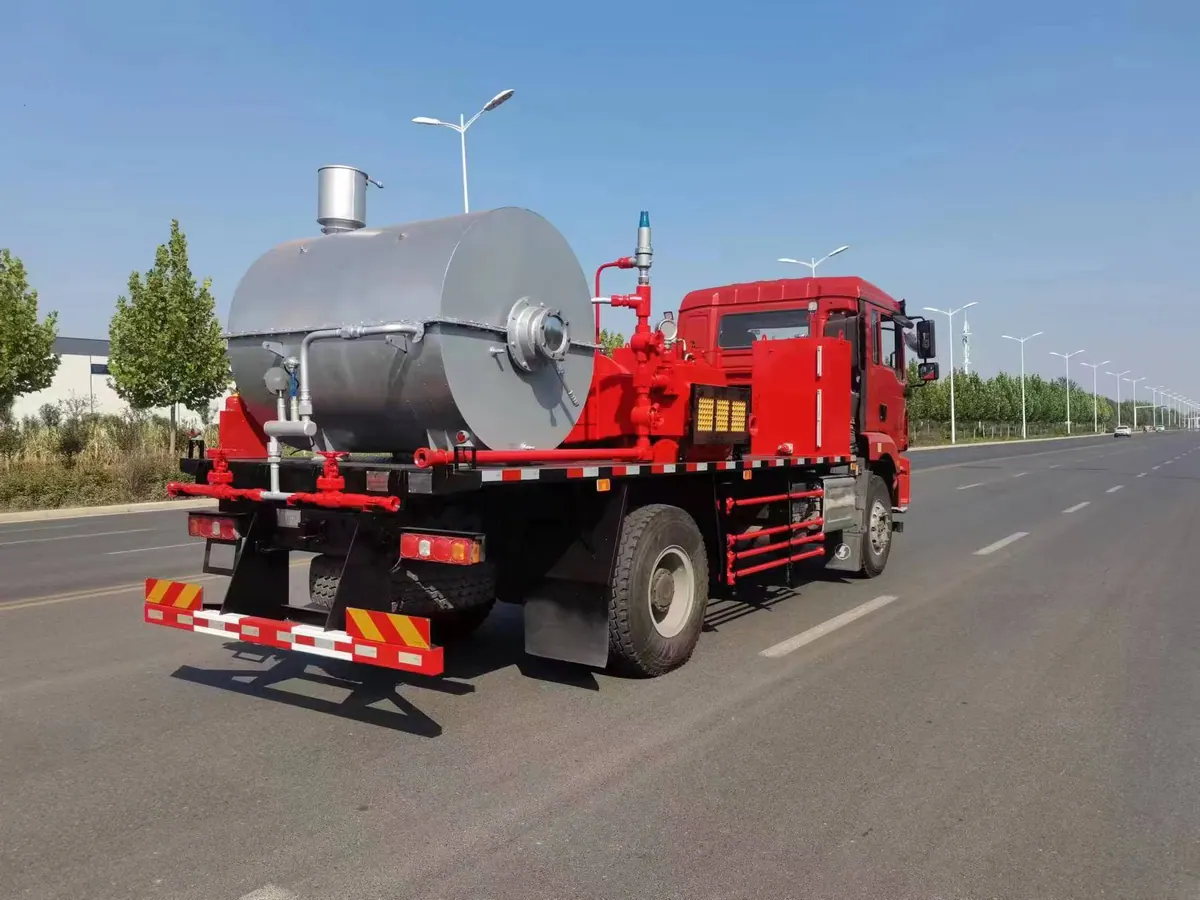
Agree checks during extended storage
Where storage is part of the project, ask who performs the manufacturer-required inspections or other agreed preservation actions and how records are retained. State the effect of delays or changed conditions on the accepted plan. A fixed warranty statement is not a substitute for identified storage duties. Compare the included support and purchaser resources rather than assume the supplier remains responsible for every unattended period after contractual delivery.
Plan the document handoff to recommissioning
Request the relevant records needed to assess the truck after receipt and before the accepted commissioning process. Identify preservation status, equipment references and any outstanding review. A successful factory run does not establish readiness after an undocumented storage interval. Keep later checks and required supplier support explicitly assigned, without treating preservation removal as a universal startup recipe or promising that every delayed shipment can enter service immediately on arrival.
Compare delivery terms and preservation as separate scopes
The commercial point where costs and risks are allocated does not by itself define every technical preservation obligation. Have the contract identify both the delivery arrangement and the equipment care responsibilities relevant to the logistics plan. Ask bidders which documentation and support are included if storage assumptions change. This avoids comparing a dispatch-only proposal with one covering additional preparation or follow-up work as though they were equivalent. The purchase should retain a traceable equipment condition history without claiming unlimited storage life, guaranteed corrosion protection or destination clearance from a generic export label.
Put these items side by side in the bid review
| Purchase item | Question to resolve | Evidence to request |
|---|---|---|
| Basis | Which transit and storage conditions apply? | Controlled logistics assumptions |
| Care | What is supplied and who maintains it? | Equipment-specific preservation schedule |
| Receipt | What evidence supports later readiness review? | Condition records and recommissioning documents |
Suggested wording for the quotation request
Quote preservation and documentation for the proposed well-flushing truck against the attached transport and storage plan. Identify assembly-specific supplied measures, shipment contents, purchaser actions and relevant inspection records. State how delays or changed conditions affect the accepted plan. Separate commercial delivery terms from technical care obligations and include the documents and support needed for competent receipt and commissioning review.
Select the well flushing truck against an identified deposit, compatible treating fluid and an accepted circulation assignment. Review heater duty, delivered temperature, paired pump conditions, storage and the external return route together. Maximum component ratings and a wax appearance temperature do not establish a universal treatment recipe or prove cleaning effectiveness. Confirm the actual included equipment, measurement evidence and supplier responsibilities. Retain fluid information, configuration documents, operating limits and acceptance records with the purchase. Work at a well or flowline requires the responsible engineers, competent personnel and approved equipment and site procedures.
For the wider equipment scope, consult the Well Flushing Truck: Remote Field Guide. Use the RFQ checklist to collect the supporting documents before requesting a configuration-specific quotation.
Buyer questions
Does export packaging guarantee indefinite storage suitability?
No. Establish the actual conditions, duration assumptions and equipment care requirements.
Is dispatch readiness the same as readiness after storage?
No. Review the equipment condition and applicable commissioning requirements after receipt.
Background and supplier contact
ICC Incoterms® resources offers related background, not certification of the equipment in a quotation. Applicability must be checked for the project and destination.
Explore the well flushing truck, browse all technical resources, or visit Vance Petroleum for company information. Request a well-flushing package proposal with deposit information, treating-fluid properties, circulation duty and the return arrangement.